Why Fuel Mileage Can Drop Over Time
Getting better gas mileage starts with reducing the extra strain placed on your vehicle. That can come from low tire pressure, overdue maintenance, aggressive driving, extra weight, excessive idling, or a developing mechanical issue. You do not have to completely change your routine, but a few consistent habits can help your vehicle use fuel more efficiently.
To improve fuel economy, focus on:
• Checking tire pressure regularly
• Keeping up with oil changes and basic maintenance
• Driving smoothly instead of accelerating or braking sharply
• Removing unnecessary cargo from the vehicle
• Scheduling an inspection if mileage drops suddenly
Poor gas mileage can sometimes point to worn spark plugs, dirty filters, dragging brakes, sensor problems, or other issues that affect performance. If your vehicle feels sluggish, rough, or harder to start, it is worth having it checked before the problem gets worse.
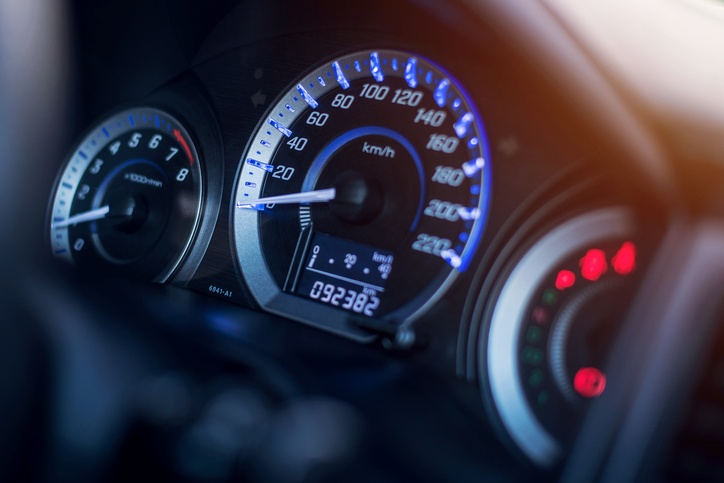
Most drivers notice rising gas prices before they notice small changes in fuel economy. One week, the tank may seem to last a little less than usual. A few months later, you may realize you are filling up more frequently even though your commute has not changed.
At Central Avenue Automotive, we know fuel mileage can be affected by vehicle age, maintenance habits, tire condition, driving style, traffic, and weather. Drivers in Kent also deal with a mix of city streets, hills, highways, and stop-and-go traffic, all of which can influence how much fuel a vehicle uses.
A small drop in miles per gallon does not always mean something major is wrong. Still, it is worth paying attention to. The cause may be as simple as low tire pressure or as involved as an engine performance issue.
Start With Tire Pressure and Tire Condition
Tires have a direct effect on fuel economy because they influence how easily your vehicle moves down the road. When tires are underinflated, they create more rolling resistance. That extra resistance can reduce efficiency and affect handling, braking, and tire life.
Tire condition matters, too. Uneven wear, poor alignment, or neglected rotations can make the vehicle feel less stable and less efficient. If your car pulls to one side, the steering wheel feels off-center, or the tires show uneven tread wear, it may be time to have the vehicle inspected.
A few tire habits can help support better mileage:
- Check tire pressure when the tires are cold.
- Follow the pressure listed on the vehicle placard or owner’s manual.
- Rotate tires at recommended intervals.
- Address pulling, vibration, or uneven wear early.
These steps help your vehicle travel with less resistance while also supporting safer driving.
Keep Up With Maintenance That Supports Efficiency
Regular maintenance plays a major role in how to get better gas mileage. A vehicle that is overdue for service may still run, but that does not mean it is operating as efficiently as it should.
Oil changes are a good example. Clean oil helps reduce friction inside the engine, while the correct oil type helps the engine perform as designed. Air filters, spark plugs, fuel system components, and sensors can also affect fuel use when they become worn, dirty, or out of range.
Routine service is not only about preventing breakdowns. It helps your vehicle stay responsive, efficient, and dependable. If your car feels sluggish, idles roughly, or takes longer to start, those symptoms should not be ignored.
Drive Smoothly and Reduce Fuel Waste
Driving style has a major impact on fuel economy. Quick starts, hard braking, speeding, and constant lane changes can increase fuel use. Smooth driving gives your engine, transmission, brakes, and tires an easier job.
This does not mean you have to drive slowly everywhere. It means being steady and intentional. Accelerate gradually when traffic allows, look ahead so you can ease off the gas sooner, and maintain a consistent speed when conditions are safe.
Idling can also waste fuel. Sitting with the engine running may not seem like much in the moment, but it adds up over time. Combining errands, reducing unnecessary backtracking, and choosing routes with fewer stops can also help lower fuel use.
Reduce Weight, Drag, and Mechanical Strain
Extra weight can make your vehicle less efficient. If your trunk or cargo area has tools, boxes, sports gear, or other items you do not need every day, removing them can help. The improvement may not feel dramatic from one trip, but consistent habits can support better mileage over time.
Exterior accessories can also affect gas mileage. Roof racks, cargo boxes, and carriers create wind resistance, especially at highway speeds. Removing them when they are not in use can help reduce drag.
Mechanical resistance can also play a role. A sticking brake caliper, failing wheel bearing, or alignment problem can interfere with smooth movement and add wear to related parts. If your car feels like it is dragging, vibrating, pulling, or struggling more than usual, the issue should be checked.
When Poor Gas Mileage May Point to a Bigger Issue
Sometimes lower fuel economy is more than a maintenance reminder. A sudden drop in gas mileage can be a clue that something is not working correctly.
You should schedule an inspection if you notice:
- A check engine light
- Rough idling or hesitation
- Loss of power
- Unusual exhaust smells
- Hard starts
- A major change in fuel use
- Strange sounds while accelerating
Modern vehicles rely on sensors, computers, fuel delivery systems, and emissions components to keep performance balanced. When one part is not responding properly, fuel economy can suffer. A professional inspection can help identify the cause instead of guessing or replacing parts that may not solve the problem.
Better Mileage Starts With Better Vehicle Care
Learning how to get better gas mileage is not about chasing one quick fix. It is about giving your vehicle the right care, making smart driving choices, and addressing changes before they turn into larger concerns.
Good tire care, routine maintenance, smooth driving, and prompt attention to warning signs can all help your vehicle use fuel more efficiently. These habits also support safety, performance, and long-term reliability.
If your fuel economy has dropped, your vehicle feels different, or it has been a while since your last service, Central Avenue Automotive can help with dependable auto care in Kent. Schedule a visit, and we will help you understand what your vehicle needs without recommending unnecessary services.