
When you think about the cars of today compared to those from a few decades ago, one question that often comes up is, “How long should a car last?” It’s an interesting topic, especially for us here at Central Avenue Auto in Kent and Auburn, Washington, where we see everything from brand-new models to cars that have been on the road for decades. So, why do some vehicles seem to last forever, while others are in and out of the shop? Let’s dig into the factors that affect a car’s lifespan and what you, as a vehicle owner, can do to make the most out of your investment.
Why Are Modern Cars Built to Last?
One of the primary reasons cars last longer today is because of significant advancements in technology and materials. Modern engines are designed with tighter tolerances, using durable materials that can withstand wear and tear far better than those of the past. Innovations in engine oils, transmission fluids, and coolants have also helped prolong vehicle life by reducing friction and heat, two major factors that contribute to mechanical breakdowns.
Take a look at the features like anti-lock brakes (ABS), electronic stability control (ESC), and advanced fuel injection systems. These were once considered luxury items, but they’re standard in most modern vehicles now. All these features not only make today’s cars safer but also contribute to less wear on the car’s components over time, which helps extend its overall lifespan.
How Long Should a Car Last?
A common question we hear at Central Avenue Auto is, “How long should a car last?” The truth is, with proper maintenance, many cars today can reach 200,000 miles or more. According to automotive experts, the average lifespan of a new car has increased from about eight years in the 1970s to nearly 12 years today. This is partly due to better engineering and partly due to owners like you who understand the value of regular maintenance.
At Central Avenue Auto, we see a lot of vehicles coming in with more than 100,000 or even 200,000 miles on the odometer. That’s a testament to how far vehicle durability has come, but it’s also a reminder of how essential it is to keep up with routine maintenance.
The Role of Regular Maintenance
One thing that hasn’t changed is the importance of regular maintenance. Cars today may be more durable, but they still need care to last. Regular oil changes, fluid checks, and inspections are vital. Ignoring these can lead to more costly repairs and, ultimately, a shorter lifespan for your vehicle.
At Central Avenue Auto, we pride ourselves on being “The Friendlier, More Helpful Auto Shop.” We know that keeping up with maintenance can sometimes feel overwhelming, so we make it as easy as possible. We’ll remind you when your car is due for service, explain what needs to be done, and answer any questions you might have. By taking care of minor repairs early on, you can avoid bigger issues down the road.
Common Repairs to Expect Over Time
Even with regular maintenance, some components of your car will naturally wear out. Here are some repairs you may encounter as your vehicle ages:
- Brake Pads and Rotors: These wear out over time due to friction. Expect to replace brake pads around every 30,000 to 70,000 miles, depending on driving habits.
- Battery: Most car batteries last about 3-5 years. Replacing your battery as it ages can prevent unexpected breakdowns.
- Tires: Depending on the type of tires and driving conditions, they usually last between 25,000 and 50,000 miles.
- Suspension: Over time, the shocks and struts that make your ride smooth may wear out, especially if you’re regularly driving on rough roads.
By keeping up with these common repairs, you’ll help ensure that your car not only lasts longer but also performs reliably.
Extending Your Car’s Lifespan: What You Can Do
If you’re aiming to get the most mileage out of your car, here are a few tips we recommend:
- Follow the Maintenance Schedule: Every vehicle has a recommended maintenance schedule in its owner’s manual. Following this can prevent major issues before they start.
- Drive Smoothly: Aggressive driving wears down your vehicle faster. Gentle acceleration and braking are easier on the engine and brakes.
- Stay on Top of Fluids: Engine oil, coolant, brake fluid, and transmission fluid are essential for keeping your car’s systems functioning. We’re happy to check these for you anytime.
At Central Avenue Auto, we’re here to support you every step of the way. We understand that your car is more than just a machine; it’s an investment. Whether you’re coming in for a quick oil change or a more complex repair, you can count on us to provide honest, friendly service. We take pride in helping our neighbors in Kent and Auburn keep their cars on the road longer.
Why Choose Central Avenue Auto?
Choosing the right auto repair shop can make a world of difference when it comes to maintaining your car. At Central Avenue Auto, we offer more than just repairs. Our goal is to be the friendlier, more helpful auto shop you can rely on. We’re committed to clear communication, fair pricing, and exceptional service. When you bring your car to us, you’re not just a customer—you’re part of our community.
So, do cars last longer than they used to? Absolutely. But the key to maximizing that longevity is proper care. Let Central Avenue Auto be your partner in keeping your car running smoothly for years to come.







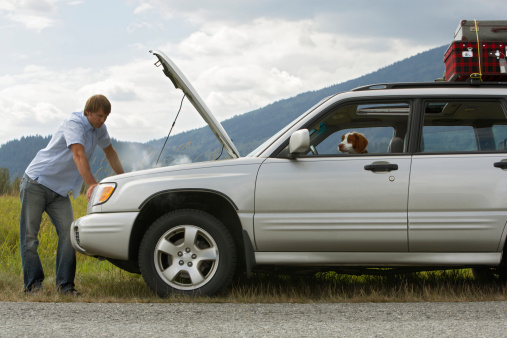 You may have seen a car smoking on the side of the road and heard, “oh, the motor is blown”. Or your own vehicle may have broken down and are now fearing that your engine is blown. What does it mean when a motor is blown? Let’s explain.