Are you one of those people who don’t put gas into your tank until it beeps a warning? Do you feel confident you can go several more miles before actually running out of gas? Do you make a game of “I think I can, I think I can,” meaning “I think I can get to a gas station running on fumes alone?” If so, read on!
I’ve known a few people in my time who enjoy the challenge of pulling up to the gas station on fumes. Sure, they’ve lost the game a few times and had to hoof it to the nearest station, buy a gas can and walk back to where their trusty vehicle finally stopped. Many brag after this experience that now they actually know for sure how many miles they can drive after their car beeps! I’m happy those people enjoy such games and challenges, but playing that game can have costly, not to mention damaging, results for your vehicle.
Most vehicles have an electric fuel pump. This sits inside the tank actually submerged in the fuel. This allows the pump to stay cool and lubricated. Without this submergence in fuel, the pump can self-destruct from overheating. The reserve fuel inside your tank prevents this from happening. Some vehicles have a well that the pump sits inside, and if this well runs dry, the pump also gets damaged. If your vehicle is fueled by diesel and this occurs, it also becomes necessary to “prime it” to get fuel to the pump.
Heat also plays a factor. When you have 90 degree days coupled with the heat from the pavement on the bottom side of the car where the fuel tank sits, it does not take much for the pumps to go bad.
Obviously you can’t drive forever on an empty tank, but if you regularly put in just enough gas to get by, your fuel pump can fail earlier than normal. Your pump will also be taking in the “bottom of the barrel” fuel, which is full of debris. This sediment in the bottom of the fuel tank can also clog the fuel filter and fuel injectors, as well as the pump pickup. I generally don’t let my tank get below 1/4 tank for this reason.
The best thing you can do for your vehicle is fill it up when it gets to a quarter tank. It will save you money in the long run and keep your car running well. Sure, it doesn’t offer the same challenge as running on fumes, but when it comes to your vehicle, it is always wise to consider damage control — both to your car and your wallet!
Please call us with any questions at 253-854-6762 or visit our website. Have a great day!
Have you ever had an experience like this in Kent WA? You drive through the one of those automatic car washes. When you get to the end, where the dryer is blowing, your check engine light started flashing!
You fear the worst, but within a block or two, the light stopped flashing, but stayed on. By the next day, the light was off.
You wonder; “What was going on?” Well, it’s actually a good lesson in how the Check Engine light works.
Your air intake system has a sensor that measures how much air is coming through it. When you went under the high-speed dryer, all that air was blasting past the sensor. Your engine computer was saying, there shouldn’t be that much air when the engine is just idling. Something’s wrong. Whatever’s wrong could cause some serious engine damage.
Warning, warning! It flashes the check engine light, to alert you to take immediate action.
It stopped flashing because once you were out from under the dryer, the airflow returned to normal. Now the engine control computer says the danger is past, but I’m still concerned, I’ll keep this light on for now.
Then the Check Engine Light goes off in a day or two.
The condition never did recur, so the computer says whatever it was, it’s gone now. The danger is past, I’ll turn that light off.
Now a flashing check engine light is serious. You need to get it into our Kent WA shop as soon as possible. But if it stops flashing, so you have time to see if the problem will clear itself or if you need to get it checked. How does the computer know when to clear itself?
Think of it this way. The engine control computer is the brain that can make adjustments to manage the engine. Things like alter the air to fuel mix, spark advance, and so on. The computer relies on a series of sensors to get the information it needs to make decisions on what to do.
The computer knows what readings are in a normal range for various conditions. Get out of range, and it logs a trouble code and lights up the check engine warning.
The computer will then try to make adjustments if it can. If the computer can’t compensate for the problem, the check engine light stays on.
The computer logs a trouble code. Some people think the code will tell the technician exactly what’s wrong?
Actually, the code will tell the technician what sensor reading is out of parameters. It can’t really tell you why, because there could be any number of causes.
Let’s say you’re feeling hot. You get your heat sensor out – a thermometer – put it under our tongue and in a minute or two you learn that you have a fever of 104 degrees.
You know your symptom – a fever – but you don’t know what’s causing it. Is it the flu, a sinus infection or appendicitis?
You need more information than just that one sensor reading. But it does give you a place to start and narrows down the possible problems.
There are reports on the internet telling you that you can just go down to an auto parts store and get them to read your trouble code or buy a cheap scan tool to do it yourself.
There are two problems with that. First, the computer stores some trouble codes in short term memory, and some in permanent memory. Each manufacturer’s computer stores generic trouble codes, but they also store codes that are specific to their brand.
A cheap, generic scan tool, like you can buy or that the auto parts store uses, doesn’t have the ability to retrieve long-term storage or manufacturer specific codes. Your Kent WA service center has spent a lot of money on high-end scan tools and software to do a deep retrieval of information from your engine control computer.
The second problem is that once you’ve got the information, do you know what to do with it? For example, a very common trouble code comes up when the reading on the oxygen sensor is out of whack.
So the common solution is for the auto parts store to sell you a new oxygen sensor, which are not cheap, and send you off on your way. Now your oxygen sensor may indeed have been bad and needed replacing. But the error code could have come from any of a dozen of other problems.
How do you know the right solution? Back to the fever analogy, do you need surgery or an aspirin? Leave it to the pros at Central Avenue Automotive. Give us a call at 253.854.6762 and let us help you resolve your check engine light issue.
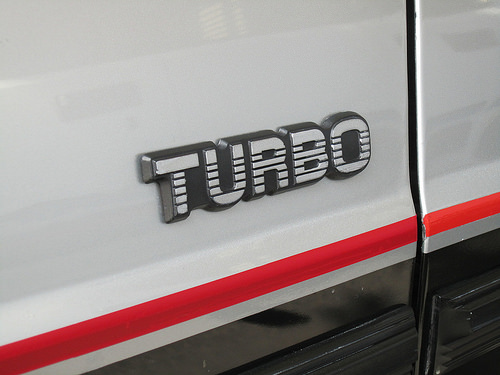
Are you old enough to remember this? If you drove a 4-cylinder vehicle, you needed to get a running start up a hill or it seemed the car would never make it to the top. Honeywell Turbo Technologies is currently working with automotive manufacturers to give consumers an affordable, fuel-efficient, downsized turbocharged engine. The turbocharging technology has been used for years for commercial vehicles and globally for passenger vehicles.
In 2008 when the large 8-cylinder engines were not as popular due to the economy and higher fuel costs, the 4-cylinder engine was more in demand. At that time, the turbochargers were only available in two percent of gasoline and flex-fuel vehicles. In 2011, turbochargers became available in 9.5 percent and it’s predicted by LMC Automotive that by 2017 that figure will be at 20 percent.
The Environmental Protection Agency is pleased because turbocharging improves CO2 and fuel economy at the same time. That is good news for us all! This has been proven over the past seven years because now manufacturers can make smaller, more efficient engines without sacrificing power in the vehicles. A smaller engine enables a 20 to 40 percent fuel economy improvement. That is something we can all enjoy.
Hybrid and electric vehicles come with large price tags and are expensive to repair, and battery material mining is hard on the environment. Many people don’t consider that we are burning fuel and coal to produce the electricity to power their electric car. Vehicles equipped with the Honeywell turbocharged engine let a consumer enjoy a 40 mile per gallon (higher on the highway) ride. Many of these vehicles also come with a price tag of $20,000 or less.
Here is a list of some of the vehicles with Honeywell turbocharged engines:
• Ford’s Eco Boost vehicles
• Chevrolet’s Sonic, Cruze and Silverado
• Dodge Dart (scheduled for release later this year)
• Fiat 500 Abarth
• Volkswagen Touareg
Innovation is always born when the need is there!
Please give us a call if you have any questions at 253-854-6762 or visit our website.
Remember way back when (it seems like a long time ago now) we worried about drivers being distracted by noise in the car from passengers, or when they looked away from the road to change the radio station? Then along came cell phones, texting, navigation tools, entertainment and even more sophisticated communication devices to cause even more distracted driving. Some circles know this as in-car “infotainment.”
Telematics have come a long way with hands-free devices using voice activation systems, but many wonder if that is enough to keep us from being dangerously distracted. Just because a driver has both hands on the wheel and their eyes on the road does not mean the conversation they are having on their voice-activated, hands-free system is not causing a distraction. Have you ever walked through an airport and watched people wander about with their eyes glued to their cell phone or heard an agitated conversation someone is having on their cell? These people aren’t behind the wheel of a car but they are completely distracted and may even seem disoriented.
A lot of research has been done and is still ongoing about how easy we are to distract. It appears that listening and responding to email using voice commands while driving is just as distracting as texting. Scary thought! It reduces the driver’s attention by 30%. One researcher says that if it takes longer than 15 seconds to complete a task while parked, don’t even think about doing it while driving.
Last year alone, statistics showed that almost 6,000 people were killed and 500,000 injured in car crashes due to driver distraction. We used to assume that most accidents were due to drunk driving, but that isn’t so. The Department of Health and the Department of Motor Vehicles did a study that showed that 23% of traffic accidents were alcohol related, which leaves 77% due to other causes… such as distracted driving due to technology.
Accidents overall are down this year, as is the amount of driving we are doing overall, so we can’t be sure this is due to improvements in technology or not. The question I have to ask is this: do we really need to be connected 100% of the time?
Whatever your views are on the subject, and the subject is being debated across the country, keep your eyes open and beware. It only takes seconds for an accident to happen. Don’t worry, though. Soon our cars will be driving us and we can sit back and enjoy all the infotainment coming our way!
Please call us with any questions at 253-854-6762 or visit our website!
When Kent car owners talk about vehicle safety, they think of tires and brakes. But do we think about our windshields? Isn’t the ability to see a prime safety factor when it comes to driving around WA? Yet we often don’t even notice our windshields until we can’t see through them, or until our wiper blades fail.
It’s estimated that around 46 million people are driving with wipers that won’t keep their windshields clear during a storm — that’s 46 million people with impaired vision during a storm. For safety’s sake, Kent drivers need to change the way they think about wiper blades. Most of us, 78% in fact, only change our wiper blades after they fail. In other words, we don’t get new ones until the old ones become a harmful safety hazard. Instead, we Kent car owners need to make wiper blades an important part of our preventive maintenance routine.
Wiper blades should be changed twice a year, in the spring and in the fall. In WA areas that experience harsh winter weather, special blades are available that prevent ice and snow from collecting on the wiper. Ask your considerate Central Avenue Automotive service specialist about wiper blades that repel ice and snow.
No matter what blades you use on your vehicle in the winter, don’t expect them to clear the ice and snow from your windshield after your vehicle has been parked for a while. Using your wipers will shred your blades and may even damage your wiper motor. And don’t drive on Kent roads with a frosted windshield. That’s a serious safety hazard. It can cause accidents, and you could be held liable.
Wiper blades are subjected to harsh conditions in Kent. They’re out in the Auburn sun and in the cold. Over time, they become hard and brittle and lose their flexibility. Then they start to tear. Without flexibility, wipers just can’t clear a windshield of water or snow. And torn wipers can actually scratch your windshield. Then the entire windshield has to be replaced — along with the wiper blades. It’s a prime example of how preventive maintenance could have saved you an expensive repair bill.
Kent auto owners can purchase new wiper blades at an auto service center or at any Kent auto parts store. They cost about the same. But the auto service center will throw in the installation.
Once you have good wipers installed, don’t forget to top off your windshield washer fluid. If you take your vehicle in for a full-service oil change at Central Avenue Automotive in Kent, your washer fluid will get topped off then. But it’s good auto advice to purchase a jug of washer fluid to keep at home — just in case. And pack it in the car when you go on long trips.
While we’re on the subject, Central Avenue Automotive advises Kent drivers to always fill their washer fluid reservoir with window washer fluid. Don’t ever use water. Water can freeze in the reservoir, which can damage it. It can also freeze onto your windshield. Besides, plain water just can’t get a windshield clean. Think about it. Do you use plain water to clean your bathroom mirrors? And a bathroom mirror doesn’t get exposed to anything near the gunk that can end up on your windshield. Windshield washer fluid was designed to do one thing — to clean windshields. Let it do its critical job.
A clean windshield is not just good car care for Kent auto owners — it’s an important safety feature. Let’s keep it that way.
The exhaust system on a vehicle is more complex than most Kent motorists realize. It contains everything from old-fashioned pipes and clamps to sophisticated computers and sensors. All WA folks know a properly functioning exhaust system is good for the environment, but sometimes we forget that a damaged exhaust system can be deadly. That’s why preventive maintenance on your exhaust system is so essential. We can help you with that at Central Avenue Automotive in Kent.
The exhaust manifold is the first component in your exhaust system. The manifold is attached to the engine. It collects the gases that are produced by the engine and directs them into the exhaust pipes. At this point, these gases are both hot and chemically dangerous.
One of the gases produced in your engine is carbon monoxide. This gas is colorless and odorless. Breathing it can cause headaches, dizziness, nausea and drowsiness. Continue breathing it, and you will die.
To keep this gas, and others, from entering your SUV passenger compartment, the connections from the manifold to the engine and from the manifold to the exhaust pipes are sealed with gaskets. These connections should be routinely inspected at Central Avenue Automotive for cracks and to check if they have come loose.
The exhaust pipes can also get damaged, allowing dangerous gases to leak into your passenger compartment. These pipes can rust or be dented or broken by rocks and other Auburn roadway debris, so they need to be inspected regularly.
The catalytic converter is the next component in your SUV exhaust system. You can breathe a sigh of relief now, because this is where the dangerous engine gases are converted into carbon dioxide and water, greatly reducing the amount of harmful emissions in your exhaust. You’ll also be happy to know that your catalytic converter doesn’t require maintenance. However, it will wear out. If you fail an emissions inspection because of a faulty catalytic converter, you need to replace it.
The muffler’s job is far less critical, but far more noticeable, than the catalytic converter’s. It dampens or absorbs the noise from the engine. Most Kent auto owners don’t realize that we can actually customize the noise our car makes with a custom muffler. You can upgrade to a muffler that will make your car sleuth-quiet, or you can advertise your presence in Kent with a sassy rumble.
Mufflers can also rust or be damaged by road debris. But just because their main function is to dampen out engine noise doesn’t mean they can be ignored. If your muffler is leaking, you need to get it replaced quickly. Exhaust fumes need to exit through your tailpipe, not your muffler.
The exhaust pipe contains at least one oxygen sensor. The sensor monitors the oxygen content of the exhaust, which allows it to adjust the fuel-to-air ratio in the engine. This keeps your SUV engine running smoothly and maintains good gas mileage. So, besides keeping you and the environment healthy, a well-maintained exhaust system also keeps your SUV healthy. The tailpipe itself can rust or get damaged by road debris, so it needs a quick inspection once in a while, too.
The whole exhaust system is mounted on the vehicle with clamps and hangers. These clamps and hangers can come loose, rust or get dinged up by road debris. Remember that the gases in your exhaust system are hot, so the exhaust system itself gets hot. The clamps and hangers keep the exhaust system attached to the SUV, but they also prevent the heated components from touching things they shouldn’t. If you don’t inspect and replace broken, loose or damaged clamps, you may end up with melted wires, hoses or lines. And that can spell some expensive repairs.
You should schedule an exhaust system inspection as recommended in your SUV owner’s manual. Because this system is critical to your health and the health of your car, and because of its sophistication and complexity, you need to have the work done at a qualified service center such as Central Avenue Automotive in Kent.
Maintaining your emissions and exhaust system is not just good auto advice: it’s good health advice for all Kent drivers and their families.
• Frequent stop-and-go
• Driving in heavy traffic
• Driving in dusty conditions
• Driving on steep terrain
This kind of driving takes its toll on transmissions. Yep… it’s trying to tell you something in transmission–speak, so listen up! Here are some audio clues that your transmission may be headed toward a breakdown.
• Clicks
• Buzzes
• Whistles
• Moans and Groans
• Squeals and Screeches
• Hums and Whines
• Clanks
• Grates and Rumbles
• Chatters and Clunks
Do you see a drip under your car? If it is reddish-brown in color, it may mean one of three things: leaking transmission, over-tightened pan gasket, or a leaking front seal. Do you smell something burning? It could possibly be your transmission fluid.
Those of us in the automotive service and repair business recommend you exchange the fluid every 30,000 miles or, on average, every two years. The Automatic Transmission Rebuilders Association states that 90% of all transmission failures are caused by overheating. Transmission fluid temperatures should be maintained at 175 degrees. When the temperature gets above 250 degrees F, the breakdown of the system begins, and here’s what happens.
1. Rubber seals begin to harden
2. Leaks start
3. Pressure is lost
4. The transmission begins to slip
5. Over time, the clutches burn out
6. Eventually the transmission burns out
If you suspect your transmission may be experiencing difficulty, call your regular car care provider. They can tell you with just an inspection what’s going on. It may just need a fluid change and all will be well. Many people panic and start price-shopping transmission replacements all over town, and then go to have it replaced at the cheapest place when they didn’t even need a new one to begin with!
We don’t want to see your transmission fail, so the best way to prevent bad news is to be good to it by keeping its fluid and filter fresh. It not only saves your transmission, it saves your wallet, too!
Please call us with any questions at 253-854-6762 or visit our website. Happy Motoring!
Today’s tires and wheels offer a lot of options for every Kent driver’s style, habits and driving conditions.
Tires are designed for high-performance in winter or summer and even come in a long-wearing variety for all WA seasons.
Kent off-roaders should be excited about the options available to them as well. The tread on off-road tires is designed to handle the wear from bumps and rocks. The tires’ high profile protects rims from damage.
But what if you own an SUV but aren’t interested in off-roading around Kent? You can change out those high-profile beasts for a lower, wider look if it suits your style.
Central Avenue Automotive tire professionals can offer great auto advice on how to choose tires that match your needs and style.
The same goes for wheels. When Kent auto owners shop for new wheels, they can be hard-pressed to make a selection from the thousands of styles available at WA tire stores. If they choose a wheel that is the same size as the ones that came with their vehicle, they can get them changed out and get back on the road, no worries. But if they change the wheel size, then they may need to make some vital adjustments to their vehicle.
Upsizing a wheel may mean changing the suspension on the SUV. The wheel and tire need to fit inside the wheel well without any rubbing during turns or when driving over bumps. Rubbing can cause uneven tire wear and even damage the tires or cause safety issues.
Upsizing wheels also increases the unsprung weight of the vehicle which has a major impact on braking performance. The larger wheels increase rotational inertia, as well, which translates to longer stopping distance and lower brake performance. Upsized wheels may require upgraded brakes. Further, wheel size is used to calculate the speed and mileage of a vehicle. Changing wheel size will cause the speedometer and odometer to give inaccurate readings unless the vehicle’s computer is re-programmed to compensate for the difference.
So if you want to customize your SUV with new wheels, you should consult with a wheel and tire professional at Central Avenue Automotive in Kent to ensure you get the style you want without sacrificing safety or performance — and without damaging your vehicle.
If you just need to purchase new tires, a tire professional can also help you select the tires that are best for your driving needs and habits. The right tires will protect you and your SUV on the road.
So personalize your vehicle, but don’t forget that good car care will keep that sassy ride on the road in Kent a lot longer.
Your vehicle’s car care provider takes the safety of your vehicle very seriously, providing skilled vehicle inspections and maintenance. You’ve probably chosen your car care professional because you trust them and look to them as the experts in their chosen industry. These pros know you can get your oil changed in about ten minutes at a local Quik-Lube, but that you’re not going to get the level of service you want. Why?
The difference is the young person working at that sort of facility isn’t a skilled technician. The majority of the employees are working their way through college, and the automotive field is not their chosen major. When you choose a shop with certified technicians and certified master technicians, you get experts. These dedicated professionals are educated in the field of vehicle service and repair. They spend money each year on continuing their education so they are always up to date on the latest in vehicle technology, service, and repair.
Their vehicle inspections reflect this. Inspections usually come in two varieties: the “Courtesy Inspection” and the “Bumper-to-Bumper Inspection.” They may have different titles depending on the shop, but whatever they call it, here is the difference! I think you will get the idea.
The Courtesy Inspection is a “visual” inspection and takes a few minutes to perform. The technician will look for obvious problems, such as tires that look low on air, leaks, frayed wiper blades, corroded battery terminals, a dirty air filter, and other easily-spotted issues. If something is obviously wrong, they will tell you about it so you can make an informed decision on fixing it now or later.
The Bumper-to-Bumper Inspection is “hands on” and takes about an hour to perform. This is a very thorough inspection and delves into the more complex systems of the car. An inspection of this sort every 3,000 to 5,000 miles, depending on your vehicle and your driving habits, keeps your car reliable.
Your car is the “patient” of an automotive shop. It is treated much like your doctor or dentist treats you and your health needs, or the way the vet treats your pet’s needs. A good shop will always let you know what can wait, what should be done soon but isn’t critical to your vehicle’s operation at this time, and which item(s) should be serviced or repaired right now.
Hopefully this helps you understand the difference between courtesy and a bumper-to-bumper vehicle inspections more fully. If you have any questions or would like to schedule an inspection, give us a call!
Custom wheels are one way that Kent folks express themselves and personalize their SUV. But they aren’t as cheap and easy as sticking decals on your back window. There are several vital factors need to be considered, including cost, the fit of the wheel, modifications that will have to be made to the SUV, how the new wheels and tires will affect the operation of the vehicle, your driving habits, and, of course, the style of the wheels. Most Kent auto owners start with the last factor: the style of the wheels. But that should be the last thing we choose.
When considering custom wheels, you should first carefully consider your budget. Some wheels may require pricey adjustments to your SUV suspension system, brakes, or traction systems. You need to know what you can afford before you start shopping in Auburn or get your heart set on a particular type of wheel.
There are three basic ways you can change your wheels. First, you choose a wheel that is already the same size as the ones on your SUV. Second, you can choose larger wheels, and third, you can choose smaller wheels. Mounting wheels that are the same size as the ones already on your car sounds easy enough. But, even though the wheel may be the same diameter as your current wheels, but that doesn’t mean it will fit your SUV. Besides diameter, wheels also have an offset. This is the measurement from the inside edge of the wheel to the point at which it bolts on. If your new wheel does not have the same offset as your current wheels, your SUV tires can rub on the inside or outside of the wheel well. This can lead to blowouts, uneven tread wear, and other mechanical problems.
The tire and wheel professionals in Kent at Central Avenue Automotive on 1514 Central Ave S Ste A can help you select a wheel that has both the correct diameter and offset for your SUV. Or, if you really want a specific wheel in spite of the offset difference, your may be able to install adapters that will make the wheels fit.
Mounting larger wheels is a more involved process. There are several ways of doing this. You can mount larger wheels, but keep the overall tire diameter the same. Or you can “supersize” your tire/wheel combo. Mounting larger wheels while maintaining the same overall tire diameter is the easiest way to increase wheel size. You still need to adjust for offset. Generally, this alteration means that your new tires will be wider than the originals, so you will have to install adapters to keep them from rubbing on the wheel wells. Consult your Central Avenue Automotive service professional by calling 253.854.6762.
If you want to install larger wheels and increase the overall tire diameter, it is essential that the package fits in the wheel well: you may have to do some minor modifications to your suspension. More importantly, you will have to reprogram your SUV engine’s computer to calibrate for the larger tire size. The computer calculates your speed based on the rotation of your tires, so increasing the size of the tires will render it inaccurate. Inaccurate speed calculations can mess up your anti-lock brakes and your stability control systems, as well as your speedometer and odometer.
As you can see, the more modifications you make, the more important it becomes to have your considerate Central Avenue Automotive tech tire and wheel professional help you with your car care.
If you really want those “super-sized” tires, great: just factor in the issues listed above, plus you may have to have modifications done to your suspension system.
The larger wheels and tires will add weight to your vehicle. This weight is not held up by the suspension system, so is referred to as “unsprung” weight. Adding unsprung weight affects your car differently than just adding loads inside of your car. Unsprung weight can affect acceleration and braking. Putting large wheels on your SUV may require an upgraded brake system.
Also, you may not get the performance from your SUV that you’ve been used to. It may be sluggish when accelerating or harder to handle when turning. You may also find that the ride is bumpier than it was before. Of course, done right at Central Avenue Automotive, a good wheel job can sometimes improve a vehicle’s ride or performance. It just depends on your vehicle, the type of wheels you choose, and what you are hoping to accomplish.
Now let’s suppose you want smaller wheels on your vehicle. That should be easier, right? Not really. You still have to worry about offset, and it is critical that your computer be reprogrammed to account for calibration issues. And you may need adjustments to your suspension system.
Remember your budget? All of these scenarios require that you shell out some money. Perhaps now you can see why it is good auto advice for Burton auto owners to make that consideration first, before setting their heart on a specific type of wheel.
Another consideration should always be your driving habits. Do you do a lot of off-roading on the outskirts of Auburn? Do you carry heavy loads? Do you tow a trailer on WA highways? All of these factors must be considered when replacing your tires and wheels. Some wheels just may not be up to the work you need them to do.
For example, if you mount large rims on your vehicle, then add low-profile tires to avoid major adjustments to other systems, they won’t be able to handle off-roading as well as larger tires. There won’t be enough sidewall on the tires to absorb the impact from off-roading. You could end up with dented or broken rims.
At the end of the day, Kent drivers should always put safety ahead of appearance. That’s why you shouldn’t add custom wheels to your vehicle without consulting with your Central Avenue Automotive tire and wheel professional. Cutting corners when installing custom wheels by not making necessary adjustments to all of the systems impacted by the change can result in dangerous operating conditions as well as pricey repairs down the road.
The considerate auto professionals at Central Avenue Automotive want to remind Kent car owners of the basics of vehicle safety: preventive maintenance, emergency preparedness and professional repairs. Stay safe, and stay on the road.
Central Avenue Automotive is ASE Certified, and AAA Auto Repair center. We are a Better Business Bureau Accredited Business with an A+ rating and Authorized Vehicle Emissions Repair Facility.
Central Avenue Automotive is an ASE Certified, and AAA Approved Auto Repair center. We are a Better Business Bureau Accredited Business with an A+ rating.