Posted by & filed under Fuel System.

For those of you in Kent WA who pay attention to these things, you may have been hearing about the new direct injection engines and want to learn more about them. Some deliver the power of a V8 with the economy of a V6.

For example, in one family of engines the conventional V6 makes about 250 horsepower. The direct injection version of the same engine makes over 300 horsepower and gets essentially the same gas mileage. The turbocharged version makes over 350 horsepower.

So what are the differences from a conventional engine?

The core difference is in the fuel injection system. The system most vehicles use now is called a port injection system. The fuel injector squirts fuel into a port just outside the cylinder where it’s then drawn into the engine with the air.

With a direct injection system, the injector squirts the fuel directly into the cylinder. The gain in power and economy come because fuel injected directly into the cylinder during the combustion cycle is burned much more efficiently.

First, the fuel is squirted in at hundreds of times more pressure, so it’s atomized much better and burns cleaner and stronger. The other big advance is in electronics. Faster engine management computers can control the additional precision required to manage direct fuel injection.

Fuel injectors are precision instruments. They have to deliver a precise amount of fuel at exactly the right time. The design of the engine also dictates a particular spray pattern for the fuel. If a fuel injector is dirty or gummed up, it can’t do its job as well. That means less power and worse fuel economy for your SUV and can lead to damaged fuel injectors.

Replacing fuel injectors isn’t cheap. Direct injection injectors are even more expensive because of the extremely high-pressure they use. Same thing for diesel fuel injectors; we’re talking mortgage payment-range to replace a set of diesel injectors.

A professional fuel system cleaning from Central Avenue Automotive gets out the gum and varnish in the whole system, including the fuel injectors. Keep those injectors clean and they’ll last a long, long time.

Posted by & filed under Fluids, Maintenance.

Why Do Some Cars Need Oil Changes At Different Mileages Than Others?

Short answer: Different car makes and models have different requirements. Different driving habits and conditions also affect the need for an oil change.

Longer answer: If you check your car’s user manual, you’ll probably find you’ve been changing your oil more often than you need to… at least according to the people who designed your car. However, keep in mind these are the same people that want you to buy a new car every few years.

There’s more to an oil change than just a oil change. We don’t even like that phrase because it does not fully describe the service.

We recommend that all vehicles, with the exception of older cars, or cars that have less than 100,000 miles on them, get a 5,000 mile service. This service is an oil and filter change, a tire rotation, a brake inspection, and a vehicle safety inspection. By doing an “oil change” service this way, we help:

  • Prevent breakdowns and premature tire wear
  • Make sure that the vehicle is in good shape
  • Add a significant amount of life to the tires
  • Add resale value of the vehicle, for people are much more likely to pay top dollar for a well maintained vehicle.
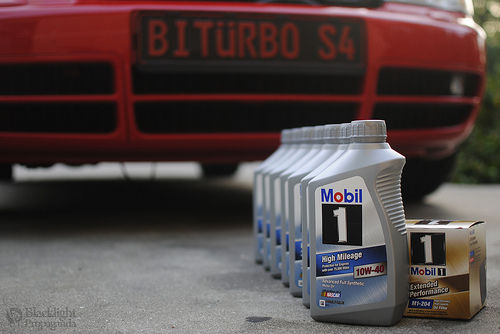
Oil Change in Different Cars
Photo Credit: AJ Hill – Blacklight Propaganda Photography via Compfight cc

This service should be tailored to each vehicle, and that is what we do here at Central Avenue Automotive. There are some vehicles that you can extend the service to 7,500 miles, but this does not depend on the car. Instead, it depends on how the car is used. A good example is if you drive from Kent, WA, down I-5 to Portland every day. You should increase you service interval to 7,500 miles. But if all of your diving is local, or you are commuting from Auburn, WA to Seattle every day in horrendous stop-and-go traffic on 167, then you should do the service at 5,000 miles.

It is common for cars to use one quart of oil every 1,000 miles. If you run out of oil between oil changes and damage your engine, even if your car is under warranty, it will not be covered. Proper fluid levels are the responsibility of the driver. Central Avenue Automotive has replaced hundreds of engines over the years because drivers have not checked their oil. An engine replacement can cost as little as $3000, and as much as $9000 for other cars. In contrast, a typical 5,000 mile service will cost you a far more affordable $40.

When should you change your oil every 3,000 miles (a 3,000 mile service)?

Typically when a car has over 100,000 miles, but every situation is different. It is best to consult with your Service Advisor At Central Avenue Automotive. The Service Advisor will be able to determine when to increase your maintenance schedule by examining your vehicle’s condition and your driving habits.

Most carmakers abandoned the 3,000-mile (4,828-kilometer) interval long ago, opting instead to advise their customers to go 5,000 or 7,500 miles (8,046 or 12,070 kilometers) between oil changes [source: MEMA]. Some people even go 10,000 miles (16,093 kilometers) or more without any guilt — or damage to the engine.

To add, the length between oil changes also depends upon the type of oil used. If your vehicle requires a synthetic oil, you can go longer between oil changes. but this will require you to check your oil more often until you have a handle on how much oil your vehicles uses. Every car is different, so we would suggest that you check your fluid levels every tank full of gas until you discover the exact usage of oil. After you have collected enough data, then you can add oil accordingly. A vehicle that uses conventional oil will most likely require more frequent oil changes.

There are other things that could increase the rate at which you change your car’s oil, including:

  • Lots of idling
  • Stop-and-go traffic
  • Extremely hot and cold weather
  • Humidity
  • Towing

If you are unsure how frequently your car needs an oil change, ask the friendly auto experts at Central Avenue Automotive for advice. They are very knowledgeable and able to discuss the best oil options for your vehicle and driving habits.

Contact Central Avenue Automotive at (253) 854-6762, or schedule an appointment using our convenient online appointment booking service. You can also come into our repair shop for a visit, located at 1514 Central Ave. Kent, Washington 98032.
Posted by & filed under Fuel System.

Kent auto owners know that engines burn fuel to operate. Fuel is pumped from your fuel tank to your engine where it is squirted—or injected—into your engine’s cylinders. This is the function of the fuel injectors.

There are two ways to inject fuel into an engine. Fuel needs air to burn, so in the first method, fuel is injected into a port and allowed to mix with air and before it is drawn into the cylinders. In the second method, fuel is injected directly into the cylinders and mixes with air after it enters the engine.

Direct injection engines burn fuel more efficiently than conventional engines. Some models can deliver the power of a V8 with the economy of a V6.

For example, in one family of engines, the conventional version (a V6) delivers about 250 horsepower. The direct injection version delivers over 300 horsepower and gets about the same fuel efficiency. The turbocharged version delivers 350 horsepower.

Why the big difference in power? Direct injection systems allow fuel to be squirted into the engine at hundreds of times the pressure of a conventional engine. This atomizes the fuel better (breaks it down into tinier droplets), which means more of it gets burned, which translates to more power for your engine. It also results in cleaner emissions and improved fuel economy.

Fuel injectors are precision instruments. They have to deliver the right amount of fuel at exactly the time the engine needs it. They are also engineered to inject fuel with a specific spray pattern. This spray pattern allows for maximum fuel efficiency and proper atomization.

Direct injection engines require a much higher degree of precision than conventional engines. For this reason, they are equipped with more sophisticated computers.

When fuel injectors get dirty, their precision drops off. The spray pattern won’t be precise, and the timing of fuel delivery may be off. This decreases fuel efficiency and gas mileage for Kent car owners as well as delivering less power to the engine.

Fuel injectors are not cheap to replace. Direct injection fuel injectors are even more expensive. And we’re talking a mortgage payment to buy a set of new fuel injectors for a diesel engine.

So keeping your fuel injectors clean is just good auto advice for Kent motorists. The best way to do this is to change your air and fuel filters regularly and practice other habits of good car care and preventive maintenance at Central Avenue Automotive in Kent. Cleaning additives in your fuel can also help.

If you do end up with gum or varnish in your fuel system, you’ll need a professional fuel system cleaning. This will clean out your whole system, including the injectors. The good news is that with proper maintenance, your fuel injectors will last for a long time.

Posted by & filed under Tires and Wheels.

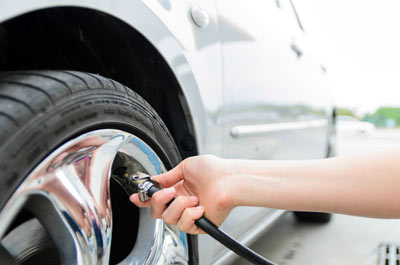
We at Central Avenue Automotive, recognize that every vehicle is different. Each car has its own personality and set of specifications that it must operate within in order to function at its optimum level. One of the elements that varies from car to car is the ideal tire pressure. Because tires can be easily inflated, many car owners elect to inflate their tires themselves, which can result in over or under inflation. Others may forget to regulate the tire pressure all together.

inflated-tire

Due to several fatal accidents in the mid 1990s with Ford Explorers and Firestone tires, Congress enacted the Tread Act. It was a law that was designed to help consumers with tire labeling, warranties, recalls and proper tire disposal. But, the main component to the law was the mandatory tire pressure monitoring system. This is a system that monitors tire pressure and will trigger a warning light if tires drop below a preset inflation threshold between 25-30% of the cold PSI rating of the tire. This does not warn you if your tire is 20% low or high on air, and that is enough to cause substantial premature tire wear, as well as decreased fuel economy.

There are a few occasions where you may want to have lower air pressure in your tire for a short amount of time, like on icy, snowy roads. This will increase the contact patch of the tire on the road and will allow for more traction. However, if you run tires with low air pressure for too long, it can increase the side wall temperature of the tires, causing a blowout. So, if you find yourself in an unexpected situation where you need some more traction, you can lower the tire pressure by 25-30% to temporarily get you out of the situation, then immediately re-inflate the tires to the recommended pressures. A better option would be to have the appropriate tires on the vehicle for the road conditions.

Maintaining the ideal tire pressure for your specific vehicle is essential for its proper operation and management. Having tires that are not inflated properly can result in damage to your car, and more importantly can increase your chances of having an accident. For these reasons it is important that you check your tires at least once a month while they are cold to ensure that they are neither over or under inflated.

Consequences of Overinflated Tires

Overinflated tires are most commonly a result of pumping too much air into the vehicle’s tires. Although a tire may look like it needs a certain amount of air, it is important to know and adhere to the levels specified for your car. Some of the results of having tires that are overinflated include:

  • Increased chance of damage
  • Rougher ride
  • Higher risk of blowout
  • Increased tire wear
  • Consequences of Under Inflated Tires
  • Under Inflated tires can have even more consequences than overinflated tires. Some of these consequences include:
  • Increased tire wear
  • Heightened risk of blowout
  • Increased difficulty with handling
  • Decreased fuel efficiency
  • Increased emissions

How do you know what is the proper tire pressure for your vehicle?

The proper tire pressure for your vehicle can most often be found on a sticker in the driver’s side door jam. The pressure marked on the sticker is the pressure that you should use. You should never use the pressure that is posted on the tire itself, because that pressure is the maximum pressure that the tire is designed to run. Since tires may fit several models of vehicles that weigh different amounts, engineers have calculated the optimum pressure that your tires should run and this is what is posted in the vehicle’s owners manual and on the door jam.

If you have questions about tire pressure, or would like to have your tires inflated properly, contact one of our experienced technicians at Central Avenue Automotive. You can reach them by calling (253) 854-6762. You can also come see Kent’s one stop repair shop at 1514 Central Ave. Kent, Washington 98032.

Posted by & filed under Fuel System.

Your browser does not support video

Kent car owners know that engines need to burn fuel to operate. Fuel is pumped from your fuel tank to your SUV engine where it is squirted—or injected—into your engine’s cylinders. This is the function of the fuel injectors.

There are two ways to inject fuel into an engine. Fuel needs air to burn, so in the first method, fuel is injected into a port and allowed to mix with air and before it is drawn into the cylinders. In the second method, fuel is injected directly into the cylinders and mixes with air after it enters the SUV engine.

Direct injection engines burn fuel more efficiently than conventional SUV engines. Some models can deliver the power of a V8 with the economy of a V6.

For example, in one family of engines, the conventional version (a V6) delivers about 250 horsepower. The direct injection version delivers over 300 horsepower and gets about the same gas mileage. The turbocharged version delivers 350 horsepower.

Fuel Injection: It Keeps Getting Better for Kent DriversWhy the big difference in power? Direct injection systems allow fuel to be squirted into the SUV engine at hundreds of times the pressure of a conventional engine. This atomizes the fuel better (breaks it down into tinier droplets), which means more of it gets burned, which translates to more power for your engine. It also results in cleaner emissions.

Fuel injectors are precision instruments. They have to deliver the right amount of fuel at exactly the time the SUV engine needs it. They are also engineered to inject fuel with a specific spray pattern. This spray pattern allows for maximum fuel efficiency and proper atomization. Direct injection engines require a much higher degree of precision than conventional engines. For this reason, they are equipped with more sophisticated computers.

When fuel injectors get dirty, their precision drops off. The spray pattern won’t be precise, and the timing of fuel delivery may be off. This decreases fuel efficiency and gas mileage as well as delivering less power to the engine.

Kent auto owners should understand that fuel injectors are not cheap to replace. Direct injection fuel injectors are even more pricey. And we’re talking a mortgage payment to buy a set of new fuel injectors for a diesel engine.

So keeping your fuel injectors clean is just good auto advice. The best way to do this is to change your air and fuel filters regularly and practice other habits of good car care and preventive maintenance. Cleaning additives in your fuel can also help.

If you do end up with gum or varnish in your fuel system, you’ll need a professional fuel system cleaning. This will clean out your whole system, including the injectors. The good news is that with proper maintenance, Kent motorists will enjoy better gas mileage and their fuel injectors will last for a long time.

Posted by & filed under Fluids, Maintenance.

Some fluids are promoted to “last a lifetime,” but they don’t always declare what the lifetime expectancy is. In an effort to effectively market their products as low maintenance, there are a lot of advertisements that certain transmission fluids, drive train fluids, and engine fluids will last a lifetime. Unfortunately, those claims do not specify that the fluids are meant to last “their lifetime,” not “your vehicle’s lifetime,” “your lifetime,” or the lifetime of your engine and/or transmission.

The quickest way to replace a new engine or transmission is to not change the fluid. Your Owners Manual will say that you don’t have to change the fluid, but don’t believe it. The manufacturer is trying to lower the initial cost of ownership. The best thing that you can do for your car to help it run for 100K, 200K, or 300K miles is by maintaining regular fluid services. Most vehicles will last a long time, if you service the:

  • Transmission every 30,000 miles
  • Engine oil every 5000 miles
  • Engine coolant every 30,000
  • Brake fluid every 2 years
  • Power steering fluid every 30,000 miles
  • Differential fluids every 30,000 miles

That’s not saying you don’t need to pay attention to your Owners Manual. There are some vehicles that have 10 year / 100,000 miles warranties but require a fluid service within 10,000 or 15,000 miles. If you don’t do this, the warranty is void.

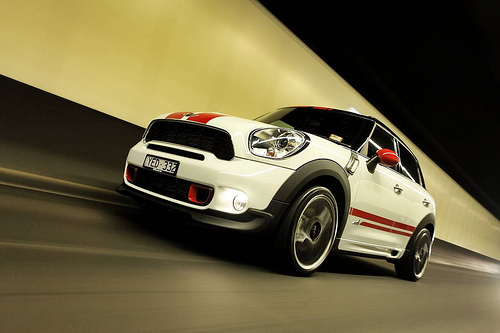
Mini Cooper Transmission Fluid
Photo Credit: NRMA New Cars via Compfight cc

We install engines and transmissions all the time in cars that have 50,000 – 80,000 miles on them and it’s always for the same reason: the oil did not get changed, or transmission fluid did not get changed. These things are full of moving parts that wear and leave behind debris and deposits that the filters do not remove. A lot of vehicles don’t use transmission filters, so the only way to clean the fluid is to flush it out with new fluid.

When you purchase your next car and the dealer says it has lifetime fluid in it, ask them if the vehicle has a lifetime warranty on it. That “lifetime” fluid is yet another one of those misguided recommendations by the car maker to make your car appear to be more “maintenance free” than it really is. Recommendations like this are designed by the marketing department as a PR stunt to get you to purchase the vehicle.

The truth is, all vehicles need to be maintained on a regular basis in order to perform properly, and this includes the eventual replacement of all fluids. Period. If you use your vehicle for any length of time, certain fluids will break down, lose their viscosity, become dirty from particulates, become acidic, etc.

How long the fluids’ lifetime lasts is dependent upon several things:

  • The make and model of your vehicle.
  • The amount of mileage on your vehicle.
  • If you drive long or short distances.
  • If your vehicles is driven hard, like in stop-and-go traffic, hard and fast around corners, etc.

In short, if you don’t change these fluids preemptively, then the fluid’s lifetime will certainly dictate the lifetime of your vehicle – which could be as low as 100,000 miles.

If you would like to discuss the best fluid options for your vehicle and driving habits, contact one of our experienced technicians at Central Avenue Automotive. You can give us a call at (253) 854-6762, or schedule an appointment using our convenient online appointment booking service. You can also come into our repair shop, located at 1514 Central Ave. Kent, Washington 98032.
Posted by & filed under Maintenance.

If you’ve ever been driving around Kent and had a headlamp go out, you’ve probably just wanted to replace the bad bulb. If your car uses halogen headlamps, they dim over time. So if you just put in one, they won’t have the same brightness which can be distracting and will affect your field of vision.

To have your headlights inspected, visit us at Central Avenue Automotive. We’re at 1514 Central Ave S Ste A in Kent, WA 98032. Or give us a call at 253.854.6762

Experts in Kent recommend replacing your halogen headlamps every year. It’s easy to remember if you do it when daylight savings time changes in the fall. That way you’ll have bright headlamps for those long Kent winter nights.

There are other types of headlamps in addition to halogen. There are the old standard bulbs that have been around for decades. These are OK, but you can usually upgrade to halogen. They cost a little more but you can’t believe the difference. If you do a lot of night driving you might want to use a premium halogen bulb that filters out the yellow hues and give a very white light that’s a lot like daylight.

You may have noticed those bluish headlights on luxury cars. They are high intensity discharge or, HID lamps. They really light up the road. You can upgrade to HID on some vehicles. These cost quite a bit, but they’ll last for the life of your car. If you want your Kent friends to think you have HIDs, you can get halogens with a bluish tint – no one needs to know.

Seriously, though, night driving is all about reaction time – time to stop – time to get out of the way. You can’t react to what you can’t see. You need headlamps that’ll give you a good view down the road and good peripheral vision as well. And your headlights need to be aimed correctly so you can see and also, to keep your lights from shining off into on-coming traffic.

You may have seen older vehicles with headlights that are awfully dim and maybe even yellow. That’s because the plastic headlight lenses have gotten cloudy and yellowed with age. They can be replaced, but many Kent service centers offer a service to restore the lens that’s a lot cheaper.

You can’t drive if you can’t see. AAA reports that nine out of ten vehicles have dirty or yellowed headlamps. So run the window squeegee over your headlights when you gas up to clear the dirt and bugs. Get your lenses restored if they need it and don’t forget to replace your standard or halogen bulbs every fall.

Posted by & filed under Maintenance, Monitoring System.

IF I HAVE HAD MY CODES READ BY A PARTS STORE, ISN’T THAT A DIAGNOSTIC?

What is a diagnostic? It’s the process in which a technician determines the cause of failure in a vehicle, which may require the use of sophisticated scanners, computers, wiring diagrams, special tools, and an experienced, well-trained technician. Central Avenue Automotive has the latest factory OEM diagnostic equipment for most foreign and domestic cars and trucks.

Advances in technology have made cars more efficient and more comfortable, but this has come at the cost of making cars much more complicated. In the early 1980s, cars started out with just one computer to help manage basic engine functions. Computers were introduced to cars in an attempt to improve vehicle emissions. Today’s cars and trucks have multiple computers and a complex network that ties them all together.

Performing Engine Diagnostics

Photo Credit: Hugo90 via Compfight cc

These innovations have made it much more difficult to diagnose vehicle failures, which makes it impossible to diagnose without the correct hardware and software since each car model has its own software and hardware package, plus special tooling. Diagnostics specific to the car model allows the technician to “talk” to the car, retrieve data from the vehicle’s multiple computers, and perform car diagnostics by reading codes. However, this is just the first step in the vehicle’s diagnostic process.

A fault code does not tell the technician what is wrong with the vehicle! What a fault code does is identify the area of the onboard computer system that is having the malfunction. It is up to the technician to download the data and interpret it, then do pinpoint testing to determine the failure and the appropriate repair. One of the most common things we see at Central Avenue Automotive are vehicles that have a fault code for a specific circuit and a parts store has pulled codes for it. The vehicle owner has replaced the part that code identified was not operating within the vehicle specifications, only to find out that the problem was not fixed. It happens, and that is why having a technician with problem-solving experience is so critical to diagnostics.

Today’s retail auto parts stores offer a customer “disservice” by selling generic code readers. These generic code readers do not read all the codes specific to the vehicle. Instead, they read just the codes that are related to vehicle emissions. Unfortunately, these generic codes tend to lead people in the wrong direction. An example of this is the O2 sensor code. An auto parts store reads the code, provides a printout of the code, and has a disclaimer at the very bottom in small print. The disclaimer says to consult an automotive technician for a diagnostic. But like most of us, we tend to ignore the fine print, buy the O2 sensor and install it. Afterwards, our check engine light is still on and we have the same fault code!

A diagnostic from a qualified technician would have revealed that the O2 sensor was working fine. The real problem is that it was another component that had failed and was sending bad data to the engine computer. As a result, the O2 sensor sent a fault to the engine’s computer that it was not seeing the correct air fuel ratio due to a faulty air flow sensor, and there was no fault code available for the air flow sensor. See how a generic code reader can mess things up?

All newer vehicles are equipped with built in computers that monitor every aspect of the car. Some of the areas that it monitors are:

  • Cruise Control
  • Security
  • Navigation
  • Air Bags
  • Keyless Entry Systems
  • Anti Lock Brakes
  • Climate Control System
  • Fuel Pump
  • Engine Cooling Fan
  • Body
  • Chassis
  • Powertrain
  • And More!

In other words, a modern car is a rolling computer network. It is amazing how many embedded controllers a vehicle can have. The onboard computer not only monitors the proper functioning of your car, it also records issues and stores them as codes. These codes can then be used to determine the sources of car trouble whenever it occurs. These codes are generated when a particular component of the vehicle fails to report back to the computer correctly. For example, if there is an issue with the engine, the engine will not report back to the computer correctly and an error code will be recorded.

This system of codes helps auto technicians to diagnose your vehicle. These codes can be diagnosed at Central Avenue Automotive by one of our experienced technicians. Our technician will use a scanner or a laptop device to tap into your car’s computer and gain access to the recorded error codes and the vehicle’s data stream. Some diagnostics can be performed in as little as one hour.

Once an issue has been diagnosed, our top-of-the-line technicians are trained to resolve any code your car throws at them. Give us a call at (253) 854-6762, or schedule an appointment using our convenient online appointment booking service. You can also come into our repair shop, located at 1514 Central Ave. Kent, Washington 98032.
Posted by & filed under Maintenance, Parts.

WHY DOES THE TIMING BELT ON MY CAR NEED TO BE REPLACED EVERY SO OFTEN?

Timing is everything to a well-operating engine, and that is why a timing belt is so important. Most of our customers at Central Avenue Automotive are aware that their vehicles require timing belt replacement after a recommended period of mileage, but not many understand why. That’s why today’s blog is dedicated to educating you on the importance of a timing belt and why the timing belt in your vehicle needs to be replaced every so often.

Think about how a metronome determines the speed of a piece of music, or how the second hand on your watch counts off the minutes of each hour. Now, think about how out of sync the world would be if we did not have metered time in music, or if clocks and watches took a willy-nilly approach to keeping time.

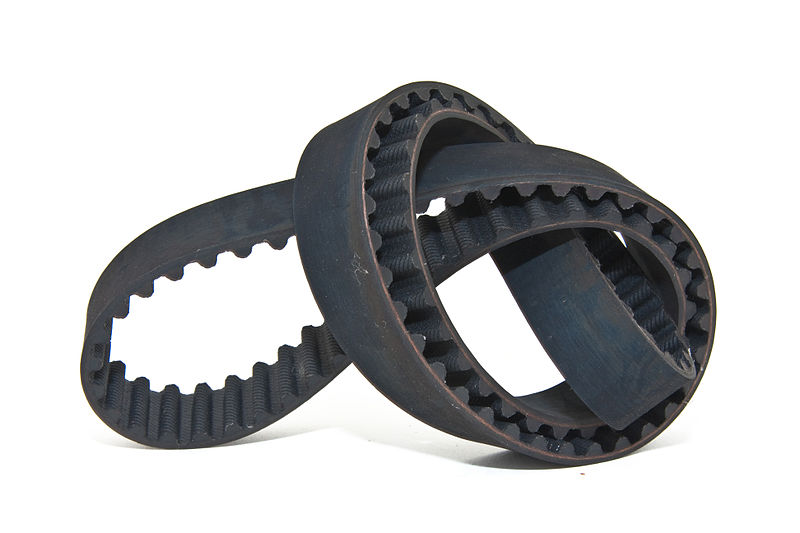
Think of a synthetic rubber timing belt, which is reinforced with fiber cords. When the engine is on, it’s in constant, timed motion. Thanks to the belt, the connection between the crankshaft and camshaft is in sync. So why is this important? The crankshaft converts energy from the pistons, which move up and down in rotational energy that is applied to the transmission, which eventually turns the wheels. The camshaft opens and closes the engine’s valves to allow air and fuel in the engine through the intake valves, and out through the exhaust valves. The timing belt links the two in harmony. Without the timing belt, the pistons and valves would collide, fuel and air would not enter the engine correctly, and exhaust would not exit correctly. All of this chaos will prevent the engine from running. Just like a bicycle chain, if it’s damaged, the bike will not pedal forward.

The timing belt does wear down and stretch out over time. Timing belts are exposed to engine oil and coolant leaks, which will damage the belt and make it more likely to slip or break. If the timing belt slips or breaks, this is bad news for the vehicle and its owner’s pocket book. Why? This internal collision can destroy a large amount of the engine and sometimes entire engine replacement is required. Therefore, it’s important to stay ahead of your timing belt’s life span by replacing it every four years or 60,000 miles, or in newer vehicles, every 100,000 miles. Be sure to check your vehicle’s maintenance manual or give Central Avenue Automotive a call to see what your car or truck’s manufacturer suggests.

Timing Belt Replacement

Timing belts on most vehicles range from $300 to $600. Some European cars and exotic cars can cost more. When you replace the timing belt, there are some other components that need to be inspected during the repair process. These components include the following:

• Water pump
• Idler pulleys
• Tension pulleys
• Drive belts
• Engine oil seals

Usually, it is cheaper to inspect these components as preventive maintenance work while replacing the timing belt because there is no extra labor cost. Most of the time, it is best to replace the other belts due to the fact that they are already removed in the preventive maintenance process. Camshaft and crankshaft seal replacement will also have a substantial labor reduction, due to the fact that most of the components removed during timing belt replacement are much easier to replace when the timing belt has been removed from the vehicle.

Fortunately, timing belts are not expensive (compared to major engine repair) and can easily be replaced during your vehicle’s major maintenance service. Any time you bring your vehicle into Central Avenue Automotive for scheduled maintenance, we will visually inspect your timing belt for cracks, shredding, tears, or excessive slack. If we see that your timing belt requires replacement, even if it’s before the recommended 60K or 100K mileage marker, we’ll notify you so you can authorize replacement.

Not only are we honest about our timing belt repair processes, but we are meticulous about doing the timing belt replacement correctly on all the foreign and domestic vehicles we service. That’s one of the reasons why Central Avenue Automotive is the mechanic you can trust for timing belt replacement in the Kent, Washington region. Click here to schedule an appointment for timing belt replacement. Or, if you prefer, give us a call at (253) 854-6762.

Posted by & filed under Brakes.

Brakes really aren’t optional equipment. And taking care of them isn’t optional either.

A regular brake inspection is on every car’s maintenance schedule. An inspection will check your brake system and let you know if there are any problems. Of course, if you’re having trouble with your brakes, get your car into a Kent or Federal Way service center right away. And watch out for these problems:

  • Low or spongy brake pedal
  • Hard brake pedal
  • A brake warning light that stays on
  • Constantly squealing or grinding brakes
  • Vibrations or clunking sounds when you apply your brakes

There are two types of brakes: disc and drum. Disc brakes have a rotor that’s attached to the axle. Calipers straddle the rotor, kind of like the brakes on a bicycle. Drum brakes are more common on back wheels. Pads, called shoes, push against the inside of the drum to slow the vehicle.

There are several things that need to be serviced on the brake system. First, the brake pads and shoes wear out with use, and become too thin to really help. If the brake pads wear away completely you can damage the rotors. The calipers can grind grooves in the rotor. Then the rotor must either be resurfaced or replaced and that can be expensive. But putting it off is dangerous because your vehicle won’t stop as quickly. Sometimes rotors warp or crack and must be replaced.

Brake fluid is also important. When the brakes are applied, the pressure in the fluid activates the brake pads or shoes. Not enough fluid, not enough pressure to brake properly. Also, water builds up in the brake fluid over time, which leads to corrosion, leaks and brake damage, and with hard use, the brakes could severely fade or even fail. You should change the brake fluid when your manufacturer recommends it.

There are different grades of brake pads. There are regular, metallic and ceramic – higher grades cost more, but give better braking performance and smoother operation. It’s OK to upgrade your brake pads. But, never use a grade that’s lower than what the manufacturer recommends.

Be sure to properly maintain your brakes because it’s a lot cheaper than paying your nearest Auburn area body shop after an accident.