Check Engine Light in Kent, WA
A dashboard warning can turn an ordinary drive into an immediate source of concern. If you are dealing with a check engine light in Kent, WA, Central Avenue Automotive can identify why it came on and explain what the vehicle needs next. We use professional diagnostic equipment, careful testing, and the information provided by the vehicle to find the source of the problem instead of guessing.
It’s important to understand that the light does not point to one specific repair. It can be triggered by a loose gas cap, an emissions-related fault, an engine performance issue, or a problem involving one of the vehicle’s sensors. Proper diagnosis helps separate a simple correction from a concern that could become more serious if ignored.
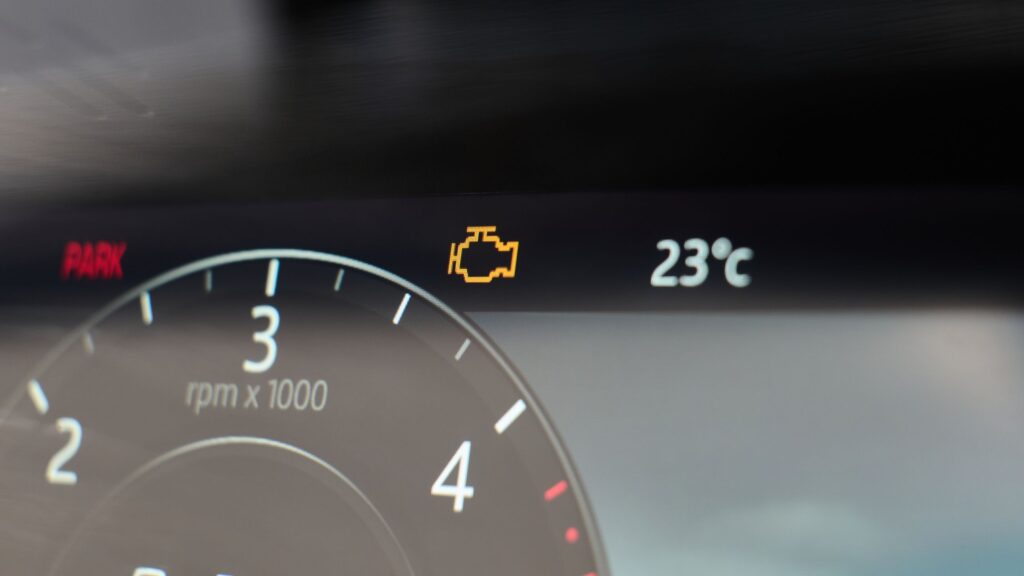
What Does the Check Engine Light Mean?
Your vehicle constantly monitors systems that affect engine operation, fuel delivery, emissions, and overall performance. When the onboard computer detects information outside the expected range, it stores a diagnostic trouble code and turns on the warning.
That code gives us a place to begin, but it does not always identify the failed part. For example, a code related to an oxygen sensor may be caused by the sensor itself, damaged wiring, an exhaust leak, or another condition affecting the readings. Replacing a component based on the code alone can waste time and money without solving the underlying problem.
Our technicians look beyond the initial scan. We consider the stored codes, current data, symptoms, service history, and results of additional testing before recommending a repair.
Is a Solid Light Different From a Flashing Light?
The way the warning behaves can provide useful information. A solid light commonly means the computer has detected a fault that should be checked, although the vehicle may still seem to drive normally. Delaying diagnosis can allow the condition to worsen or affect fuel economy, emissions, and performance.
A flashing warning deserves more immediate attention. It can indicate an active misfire severe enough to damage the catalytic converter or affect safe operation. If your vehicle’s check engine light is flashing, we recommend pulling over and shutting down the vehicle as soon as it is safe to do so, then having the vehicle towed in for diagnosis.
Other symptoms can also help show how urgent the situation may be:
- Shaking, stumbling, or rough idling
- Sluggish acceleration or reduced power
- Unusual engine noises
- Smoke or a strong fuel smell
- Frequent stalling
- Overheating
- Another warning appearing at the same time
If the vehicle is running poorly or feels unsafe, continuing to drive may not be the right choice. Contact us so we can help you determine the safest next step.
Why Is the Check Engine Light On?
Many different conditions can activate the warning, and some are more noticeable than others. A vehicle may run normally even though its computer has detected a fault that requires attention.
Common causes include:
- A loose, damaged, or missing gas cap
- Worn spark plugs or ignition coils
- An engine misfire
- Faulty oxygen or airflow sensors
- Fuel-delivery problems
- Vacuum or intake leaks
- Catalytic converter concerns
- Damaged wiring or electrical connections
- Emissions-system faults
These possibilities overlap in the symptoms and codes they can produce. That is why reading a code is only the first step. We test the related system to determine what is actually happening before discussing repair options.
What Happens During Check Engine Light Diagnosis?
We begin by asking what you have noticed. Details such as when the warning appeared, how the vehicle was driving, and whether any recent work was completed can help narrow the search.
Next, we connect diagnostic equipment to retrieve stored codes and review relevant vehicle data. From there, the process depends on what the initial information shows. We may inspect wiring, test circuits, check for leaks, evaluate ignition or fuel delivery, or monitor sensor readings while the engine operates.
A thorough evaluation may involve:
- Scanning for current, pending, and history codes
- Reviewing live information from the vehicle
- Inspecting components connected to the reported fault
- Testing electrical circuits and connections
- Checking for leaks or mechanical conditions
- Confirming the failure before recommending a repair
Once we identify the cause, we explain what we found in straightforward language. You receive a clear estimate and can approve only the work you want completed.
Can You Keep Driving With the Check Engine Light On?
The answer depends on how the vehicle is behaving and what caused the warning. If the light is solid and the car feels normal, you may have time to schedule an inspection. That does not mean the issue should be ignored indefinitely.
Leaving the check engine light on also creates another problem: you may not realize when a second fault develops. Addressing the original warning restores the system’s ability to alert you clearly when a new concern appears.
Pay attention to changes in performance, temperature, sound, smell, or fuel economy. A flashing warning or serious drivability problem calls for faster action than a steady light with no noticeable symptoms.
Clear Answers From an Experienced Local Shop
Central Avenue Automotive has served Kent drivers since 1998. Our ASE-Certified technicians diagnose Asian, domestic, and European vehicles using professional equipment and a methodical approach. Our shop is also an AAA Approved Auto Repair Facility and a Better Business Bureau Accredited Business with an A+ rating.
When you bring us a check engine light in Kent, WA, we focus on finding the cause before replacing parts. Photo-rich digital inspections help show you relevant findings, while clear estimates and timely updates keep you informed. We also offer a 3-year/36,000-mile nationwide warranty.
We do not use a dashboard warning as a reason to build an unnecessary repair list. If a condition requires immediate attention, we explain why. If another item can be monitored or planned for later, we make that distinction clear.
Schedule Check Engine Light Diagnosis
A warning light is your vehicle’s way of reporting that something needs attention, but a code alone does not provide the complete answer. Careful testing is the best way to uncover the cause and avoid repairs based on assumptions.
For help with a check engine light in Kent, WA, schedule an appointment with Central Avenue Automotive. We will evaluate the warning, explain the results, and help you choose the right path forward for your vehicle.