Transmission Repair in Kent, WA
Transmission trouble can change how a vehicle shifts, accelerates, and responds on the road. At Central Avenue Automotive, we provide transmission repair in Kent, WA, with accurate diagnostics, clear recommendations, and reliable workmanship. We identify the source of the problem before discussing solutions, helping you avoid unnecessary work and make an informed decision.
Some concerns develop gradually, while others appear without much warning. Paying attention to changes in performance can help you address a problem before it leads to a breakdown or more extensive damage.
Signs Your Transmission Needs Attention
You know how your vehicle normally feels. A delayed response, rough gear change, or unfamiliar sound may be the first indication that the transmission is not operating properly.
Common warning signs include:
- Hesitation when shifting into drive or reverse
- Slipping or unexpected changes between gears
- Hard, delayed, or uneven shifting
- Grinding, whining, clunking, or humming noises
- Fluid beneath the parked vehicle
- A burning smell
- Shaking or shuddering during acceleration
- A transmission or check engine warning light
- Engine speed increasing without matching acceleration
These symptoms can have several possible causes. Low fluid, an electrical fault, internal wear, a failed sensor, or another driveline problem may create similar behavior. Testing the vehicle is the best way to determine what is happening.
Continuing to drive with a developing problem can increase heat and place additional strain on internal parts. Avoid hard acceleration, towing, or heavy loads until the issue is understood. If the vehicle will not move reliably, leaks heavily, or makes severe grinding noises, driving it may cause further damage.
Accurate Diagnosis Comes First
Modern transmissions rely on mechanical, hydraulic, and electronic systems working together. A scan may reveal a stored trouble code, but that code does not always confirm which component has failed.
We begin by listening to your description of the problem and reviewing the vehicle’s history. From there, we inspect the related systems and complete the tests needed to find the cause.
Our evaluation can include:
- Checking the transmission fluid level and condition
- Looking for external leaks
- Retrieving diagnostic trouble codes
- Reviewing live operating data
- Testing electrical circuits, sensors, or solenoids
- Evaluating shift quality during a road test
- Inspecting related driveline components
This step-by-step process helps us distinguish a transmission fault from an engine, electrical, axle, or driveline issue that produces similar symptoms. Once we identify the problem, we explain our findings and provide a clear estimate.
Automatic Transmission Repair
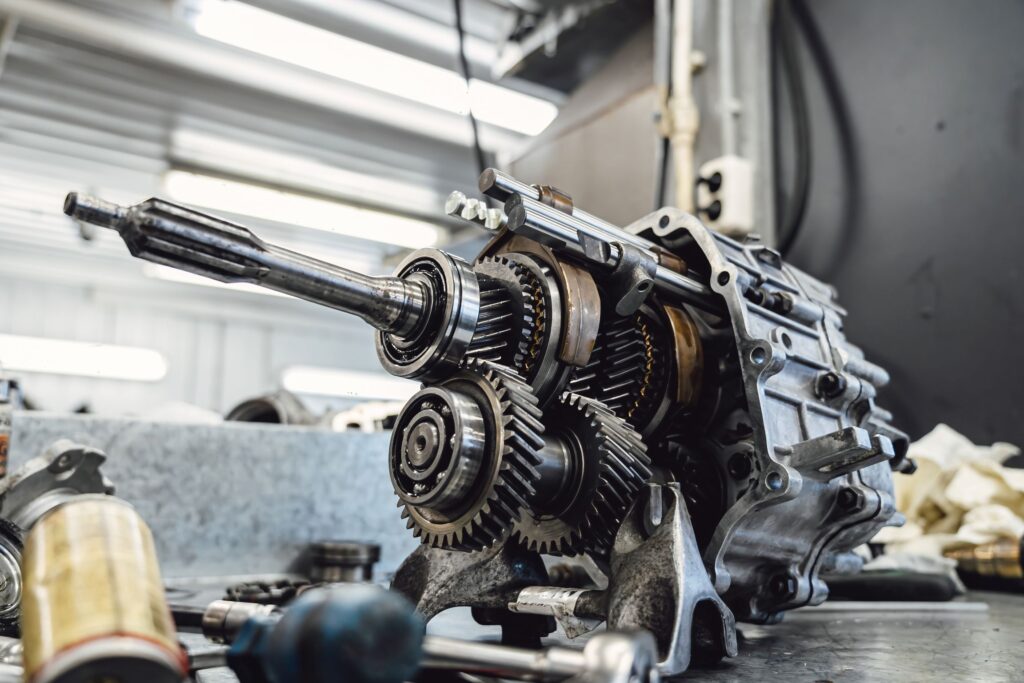
Automatic transmissions depend on fluid pressure, internal clutches, valves, sensors, solenoids, and electronic controls to change gears smoothly. A problem within that system can affect shift timing, acceleration, and overall drivability.
Our automatic transmission repair process begins with determining which area is responsible. Harsh shifting may result from a control issue, low fluid, a faulty solenoid, or internal wear. Slipping can also have several causes, which is why replacing parts before completing proper tests can become an expensive mistake.
The solution may involve repairing a leak, correcting an electrical fault, replacing a damaged component, or completing internal work. We explain the available options and the reasoning behind them before you authorize a repair.
Repair, Rebuild, or Replace?
A transmission problem does not automatically mean the entire unit must be replaced. Some faults can be corrected with a focused repair, while severe internal damage may make rebuilding or replacement more practical.
Several factors influence that decision:
- The location and extent of the damage
- The vehicle’s age, mileage, and overall condition
- Parts availability
- The cost of repair compared with replacement
- The condition of related components
- Your plans for the vehicle
A trustworthy transmission shop should explain these factors without pushing the most expensive option. We compare the available paths so you can understand what each one may mean for cost, reliability, and long-term ownership.
When replacement is the better choice, we discuss the available unit and warranty options. If a smaller repair can restore proper operation, we make that clear as well.
How Transmission Fluid Supports Performance
Transmission fluid lubricates moving parts, helps control heat, and supports hydraulic operation. A low level caused by a leak can interfere with shifting, while old or contaminated fluid may provide less effective protection.
Fluid requirements and maintenance intervals vary by manufacturer, model, transmission design, mileage, and operating conditions. We follow the information for the vehicle instead of applying the same schedule to every car or truck.
A fluid change can support preventive care, but it cannot reverse mechanical wear or repair a failed component. If the transmission is already slipping or shifting poorly, we diagnose the cause before suggesting maintenance.
A Kent Transmission Shop That Keeps You Informed
Central Avenue Automotive has served local drivers since 1998. Our ASE-Certified technicians work on transmissions and driveline systems for Asian, domestic, and European vehicles. We are also an AAA Approved Auto Repair Facility and a Better Business Bureau Accredited Business with an A+ rating.
When you come to us for transmission repair in Kent, WA, we keep the process clear from diagnosis through completion. Photo-rich digital inspections and straightforward estimates help you understand what we found before authorizing work. We also offer a 3-year/36,000-mile nationwide warranty.
Choosing a local transmission shop also makes follow-up care easier. We maintain a record of completed work, answer your questions, and help you plan related maintenance without suggesting services your vehicle does not require.
Schedule Your Transmission Repair
Transmission symptoms rarely improve on their own, and guessing at the cause can lead to wasted time and expense. Careful testing provides the information needed to choose between a focused repair, a rebuild, or replacement.
For dependable transmission repair in Kent, WA, schedule an appointment with Central Avenue Automotive. We will evaluate the problem, explain your options, and help you choose a practical solution for your vehicle.