At Central Avenue Automotive, we believe your vehicle’s safety and comfort start with a healthy suspension system. Many drivers think about their brakes, tires, and oil changes, yet often overlook the condition of their shocks and struts.
These vital components wear down gradually, making it difficult to notice a problem until handling, stability, or braking are affected.
Understanding the Role of Shocks and Struts
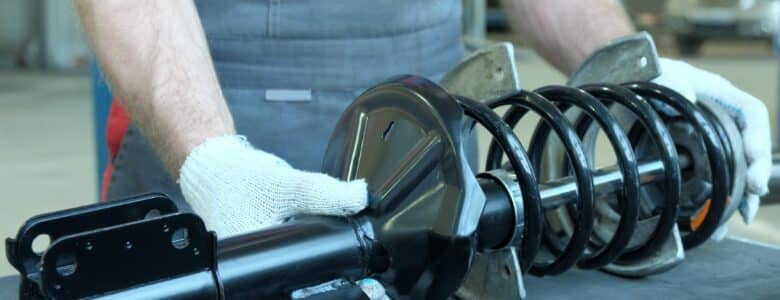
Shocks and struts are part of your vehicle’s suspension system, designed to keep your tires in consistent contact with the road. They work alongside your springs, absorbing the bumps, dips, and imperfections you encounter every day. When functioning properly, they allow you to maintain control during turns, stops, and acceleration while ensuring a smooth, comfortable ride.
While the terms are often used together, shocks and struts are slightly different. Shocks are separate components that control the up-and-down movement of the suspension. Struts combine that function with structural support, helping align the wheels and hold everything in place. Both are equally important for performance and safety.
Common Signs of Worn Shocks or Struts
Because wear happens slowly, you may not immediately realize there is an issue. However, your vehicle will begin sending subtle signals that something isn’t right.
1. Unusual tire wear
When shocks or struts start to fail, they can no longer keep your tires firmly planted on the road. This uneven contact causes “cupping,” a pattern of scalloped or hollowed-out areas on the tread. If you notice irregular tire wear even after rotations, your suspension could be to blame.
2. Bouncing or swaying
A healthy suspension minimizes bounce after hitting a bump. If your vehicle continues to bob up and down or feels unstable in crosswinds or turns, your shocks or struts may not be doing their job.
3. Longer stopping distances
Since shocks and struts help keep the tires in proper contact with the pavement, worn components can increase your stopping distance. You might feel the front of your vehicle dive when braking, which is another clear warning sign.
4. Leaking fluid
Shocks and struts are filled with hydraulic fluid. When the seals wear out, fluid can leak down the side of the component. A clear or light-brown residue near the wheel area often points to a leak that needs professional inspection.
5. Strange noises
If you hear knocking or clunking while driving over bumps or uneven roads, the internal components of your shocks or struts might be worn out or loose.
6. Visual damage
Cracked rubber mounts or misaligned protective covers can also indicate that the parts are under strain or nearing the end of their service life.
What Happens If You Ignore Worn Shocks or Struts
Driving on worn or damaged shocks and struts affects more than comfort. It can reduce your ability to control the vehicle in emergency situations and place unnecessary stress on other suspension components. Over time, this can lead to faster tire wear, misalignment, and extra strain on your steering and braking systems.
Additionally, today’s vehicles are equipped with advanced safety technology such as anti-lock brakes, traction control, and stability systems. These systems depend on consistent tire contact with the road. When shocks and struts are worn, the sensors that control these safety features may not function properly, which can compromise performance when you need it most.
Replacing your shocks and struts before they completely fail helps preserve your vehicle’s handling and ensures that other safety systems continue to operate correctly. It can also extend the life of your tires and suspension parts, saving money in the long run.
When to Replace Shocks or Struts
There isn’t a universal mileage or time frame for replacement because every driver’s habits and road conditions are different. Rough roads, heavy loads, and frequent stop-and-go driving can all shorten their lifespan. We generally recommend having them inspected every 12,000 miles or once a year, whichever comes first.
If you notice any of the warning signs mentioned above, it’s best to schedule an inspection as soon as possible. Regular maintenance can prevent larger repairs later and keep your vehicle handling the way it should.
What to Expect at Central Avenue Automotive
When you visit us, our ASE-certified technicians will perform a thorough suspension inspection, including shocks, struts, mounts, and related components. We’ll check for leaks, wear, and movement, then provide honest recommendations based on what we find. If replacement is needed, we use quality parts that meet or exceed factory specifications.
Our team always takes the time to explain our findings and answer your questions. You’ll understand exactly what we’re doing and why it’s important. We never recommend unnecessary repairs and always stand behind our work.
The Road Feels Better with a Healthy Suspension
A smooth ride is about more than comfort. It’s about control, safety, and confidence behind the wheel. If your car feels bouncy, nose-dives during stops, or simply doesn’t handle like it used to, it might be time to have your shocks and struts checked.
At Central Avenue Automotive, we’re here to help you keep your vehicle performing at its best. Schedule a suspension inspection today and drive with peace of mind knowing your car is in expert hands.