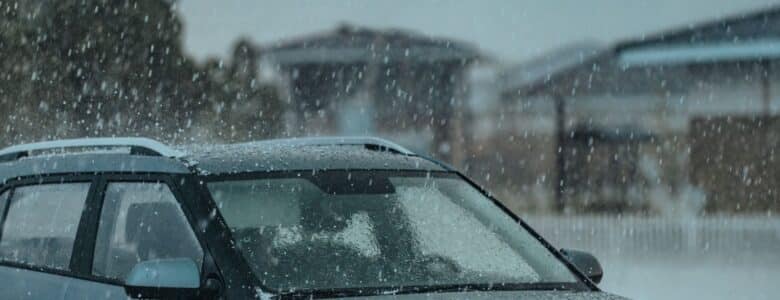
An unusually wet winter can place additional stress on your vehicle and often leads to increased auto maintenance needs. Persistent rain, standing water, cold temperatures, and road contaminants create conditions that accelerate corrosion, wear down key components, and make some vehicle systems work harder than normal. For drivers in areas like Kent, where winter weather can bring extended periods of moisture, these conditions can impact everything from your suspension to your electrical system.
Some of the most common ways a wet winter affects vehicles include:
• Increased rust and corrosion on the undercarriage, brake lines, and exhaust components, especially for drivers who frequently travel through Snoqualmie Pass where road salt or other de-icing chemicals may be used
• Greater strain on batteries in colder weather and increased corrosion risk at electrical connections due to moisture
• Suspension wear from potholes hidden by standing water
• Faster deterioration of windshield wipers and reduced visibility during heavy rain
Staying ahead of these seasonal challenges through regular inspections, fluid checks, and preventative maintenance helps protect your vehicle and keeps it performing safely and reliably throughout the year.
Why Excessive Rain Changes How Vehicles Wear
At Central Avenue Automotive, we often talk with drivers about how prolonged wet weather can affect vehicle performance. When winter brings steady rain and damp road conditions, vehicles are exposed to far more moisture than usual for weeks and even months. Over time, that moisture can affect components that normally stay relatively dry.
Although vehicles are designed to handle changing weather, constant dampness can still accelerate wear. Rainwater, road grime, and debris may accumulate beneath the vehicle and around suspension components, while persistent moisture can contribute to corrosion around exposed electrical connections. In Kent, wet roads can also conceal potholes and debris, making regular maintenance especially important after a rainy winter season.
Electrical Systems and Batteries in Wet Conditions
Modern vehicles rely on complex electrical systems to manage everything from ignition to safety features. High humidity and moisture can create additional challenges for these systems.
Water exposure may cause corrosion around battery terminals or wiring connections. In some cases, moisture intrusion can lead to corrosion or poor electrical connections that affect battery performance.
During colder months, batteries already work harder to start the engine. When moisture is added to the mix, the strain can increase further. Drivers might notice symptoms such as slow engine cranking or intermittent electrical issues.
Preventative steps that help protect electrical systems include:
- Testing battery strength during seasonal maintenance
- Inspecting battery terminals for corrosion
- Checking electrical connections for moisture damage
These checks are simple but can prevent inconvenient breakdowns later.
Potholes, Standing Water, and Suspension Wear
Another common side effect of wet winters is road deterioration. Water seeps into cracks in pavement and expands during occasional freeze–thaw cycles. Over time, this cycle creates potholes that may be difficult to see when roads are flooded.
Hitting a pothole can affect several components in your vehicle’s suspension and steering systems. Common issues include:
- Worn or damaged shocks and struts
- Alignment problems
- Tire damage or uneven tire wear
- Steering vibration or pulling
Drivers often notice these problems weeks after heavy rain or winter weather passes. If a vehicle begins to pull to one side, vibrate at higher speeds, or feel unstable on the road, it may be time for a suspension inspection or wheel alignment.
Routine maintenance helps catch these problems early before they lead to larger repairs.
Visibility and Vehicle Systems During Wet Weather
Rainy weather also increases the workload for several everyday vehicle systems. Windshield wipers, defrosters, and heating systems all operate more frequently during extended wet periods.
Wiper blades in particular wear out faster when used constantly. Streaking, squeaking, or skipping across the windshield often indicates that replacement is needed.
To keep vehicles operating smoothly during wet winters, drivers should consider:
- Replacing worn windshield wipers
- Checking and topping off essential fluids
- Monitoring tire pressure for proper traction
- Scheduling routine maintenance inspections
These small maintenance steps can make a noticeable difference in overall vehicle performance and safety.
Preparing Your Vehicle for the Months After a Wet Winter
When spring arrives after an unusually wet winter, it is a good time to evaluate how seasonal conditions may have affected your vehicle. A professional inspection can identify early wear, fluid issues, or corrosion that developed during the colder months.
Preventative maintenance not only improves reliability but also helps extend the life of key components such as suspension parts, batteries, and braking systems. Addressing minor concerns early often prevents larger repairs later.
At Central Avenue Automotive, we believe auto repair should feel straightforward, honest, and dependable for drivers throughout Kent. Our ASE-certified technicians provide thorough inspections and maintenance services designed to keep vehicles safe, reliable, and ready for the road. If you would like help preparing your vehicle for the changing seasons, our team is always happy to take a look and make sure everything is operating the way it should.