
Classic Porsche Valve Adjustments: Why They Are Important
Classic Porsche valve adjustments are an important part of maintaining many air-cooled engines. The service involves measuring and correcting the small amount of clearance between the valve train components. That space must remain within specification so the valves can open and close at the right time while sealing properly.
Valve clearance can change as engine parts experience heat cycles and normal wear. If the gap becomes too loose or too tight, the engine may develop noise, lose efficiency, run poorly, or suffer internal damage.
Proper valve clearance can help:
• Maintain smooth, responsive engine performance
• Reduce excessive tapping or clattering noises
• Support proper combustion and fuel efficiency
• Protect valves, valve seats, and related components
• Reveal developing mechanical concerns before they worsen
Because service requirements vary by Porsche model, engine, and driving conditions, valve adjustments should follow the applicable maintenance schedule rather than a universal mileage rule.
At Central Avenue Automotive, we understand that classic Porsche ownership comes with a different set of maintenance responsibilities than driving a newer vehicle. Air-cooled engines are known for their distinctive sound, responsive character, and mechanical design, but preserving those qualities requires careful attention to service items that modern engines may handle differently.
Valve clearance is one of those important details. A small measurement can have a significant effect on how the engine runs, sounds, and holds up over time. Knowing why this service matters can help owners make informed decisions about caring for an older Porsche.
What Happens During a Porsche Valve Adjustment?
The valves control the movement of air and fuel into the engine and allow exhaust gases to leave after combustion. Rocker arms and other valve train components help operate those valves as the engine runs.
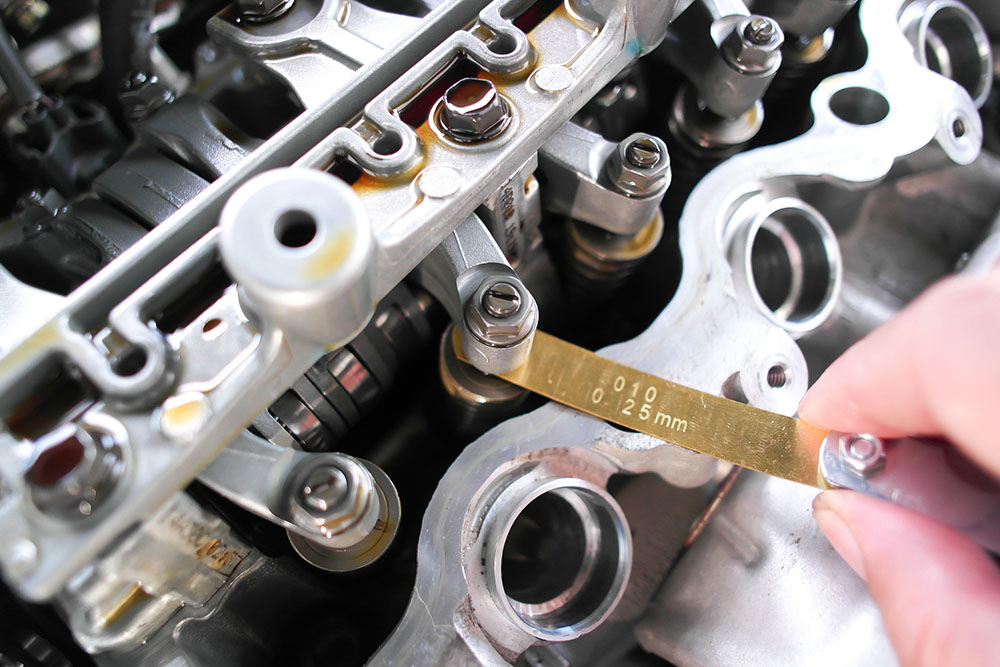
A precise amount of clearance must remain between certain components when the valve is closed. During a valve adjustment, a technician measures that space and makes corrections where necessary. The engine typically needs to be cool because heat causes metal parts to expand and can affect the measurement.
This is detailed work. Access may require removing engine covers and other components before each valve can be checked in the correct engine position. The technician must then compare the measurements with the specifications for that particular engine.
A thorough service may also create an opportunity to inspect nearby areas for concerns, including:
- Oil seepage around valve covers or gaskets
- Worn adjustment hardware
- Damaged or deteriorated seals
- Abnormal wear within the visible valve train
- Loose or compromised components
The purpose is not simply to quiet the engine. It is to confirm that the valve train is operating within the range Porsche intended.
Why Valve Clearance Changes Over Time
Classic Porsche engines operate through repeated heating and cooling cycles. Engine components expand as temperatures rise and contract once the vehicle cools. Normal wear also affects the contact points within the valve train.
As a result, valve clearance may gradually increase or decrease. Loose clearance often causes a noticeable tapping sound because the components have too much space between them. Tight clearance can be less obvious, yet it may pose a greater mechanical risk.
When the gap is too tight, a valve may not close completely. A valve that cannot seat properly may have trouble transferring heat into the cylinder head. It can also allow combustion pressure to escape, potentially leading to reduced compression, burned valves, or valve-seat damage.
Excessive clearance creates a different set of concerns. The added space may cause noise, place greater impact on valve train components, and prevent the valves from opening as fully as designed. That can affect airflow and overall engine performance.
Signs That Valve Clearance May Need Attention
Some classic Porsche engines naturally produce more mechanical sound than modern vehicles. For that reason, diagnosing a valve-clearance concern based on noise alone can be difficult. Owners should pay attention to changes from the vehicle’s normal behavior rather than assuming every sound indicates a problem.
Possible warning signs include:
- Increasing tapping or clattering from the engine
- Rough or inconsistent idling
- Reduced power or slower throttle response
- Declining fuel economy
- Hard starting or uneven operation
- Oil leaks near the valve covers
These symptoms can also result from ignition, fuel-delivery, compression, or other mechanical issues. A proper evaluation is important before deciding that an adjustment is the only service needed.
It is also possible for tight valves to produce few noticeable warning signs. Following a model-appropriate maintenance schedule remains important even when the engine sounds and feels normal.
How Often Should Classic Porsche Valves Be Adjusted?
There is no single interval that applies to every classic Porsche. The appropriate schedule depends on the model, production year, engine configuration, previous service history, and how the vehicle is driven.
Some air-cooled Porsche maintenance schedules call for valve-clearance inspections at relatively frequent mileage intervals compared with modern cars. A vehicle driven occasionally may reach the recommended time interval before accumulating the corresponding mileage. An unknown or incomplete service history may also justify checking the clearance sooner.
Several factors can influence the timing:
- Frequent high-rpm or performance driving
- Extended periods in storage
- Recent engine or cylinder-head work
- Changes in engine sound or operation
- Uncertain maintenance records
The manufacturer’s schedule and vehicle-specific service information should guide the decision. Simply relying on a general online recommendation may overlook differences between engines.
Why Professional Experience Matters
A classic Porsche valve adjustment requires patience, accurate measurements, correct specifications, and familiarity with the engine’s layout. A small error can leave the clearance outside the proper range or create another issue during reassembly.
Experienced technicians also look beyond the measurement itself. The condition of the removed parts, the appearance of the valve train, and the presence of leaks or unusual wear can provide useful information about the engine’s health.
A professional evaluation should consider the complete picture rather than treating the adjustment as an isolated task. That includes listening to the owner’s observations, reviewing available maintenance history, and determining whether other symptoms require diagnostic testing.
This approach is especially valuable for a classic vehicle. The goal is not to replace parts unnecessarily. It is to identify what the Porsche needs now while helping the owner plan responsibly for future maintenance.
Protect the Character of Your Classic Porsche
Classic Porsche valve adjustments help preserve the responsive performance, mechanical sound, and driving experience that make these vehicles so rewarding to own. Correct clearance supports proper valve operation while reducing the risk of preventable wear and internal engine damage.
At Central Avenue Automotive, we provide Porsche maintenance and repair for drivers in Kent and the surrounding area. If your classic Porsche is approaching its recommended service interval, has an uncertain maintenance history, or is beginning to run differently, contact our team to schedule an inspection.