Clear the Buildup: What Drivers Should Know About Walnut Blasting
Walnut blasting for GDI engines is a specialized cleaning service that removes hardened carbon deposits from intake valves and intake ports. In gasoline direct injection engines, fuel is sprayed directly into the combustion chamber instead of passing over the intake valves. Because of that design, the valves do not get the same cleaning effect found in some other engine types.
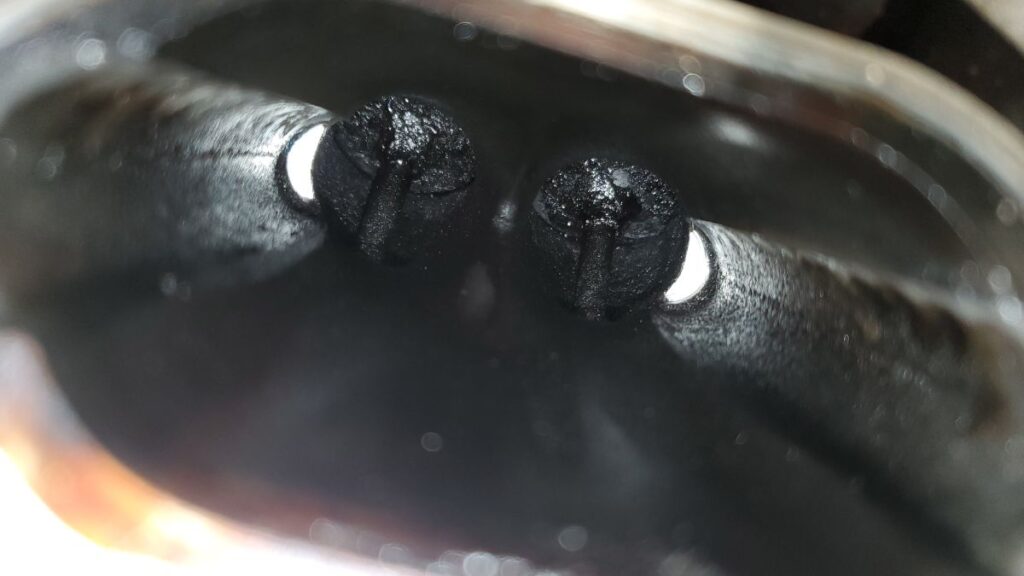
Over time, oil vapors and combustion byproducts can bake onto the valves and restrict airflow. That buildup may lead to rough idling, hesitation, poor acceleration, misfires, reduced fuel economy, or a check-engine light.
Walnut blasting for GDI engines uses finely crushed walnut shells and high-pressure air to clean away carbon buildup without damaging metal engine surfaces.
This service may help:
• Restore smoother engine operation
• Improve throttle response
• Reduce hesitation or rough idle concerns
• Clear heavy carbon deposits from intake valves
• Support better long-term drivability
When symptoms point to carbon buildup, walnut blasting can be an effective way to help a GDI engine run the way it should.
At Central Avenue Automotive, we know how frustrating it can be when a vehicle starts to feel sluggish, rough, or less responsive than it used to. Many drivers expect those changes to come from spark plugs, fuel quality, or normal wear. In some gasoline direct injection engines, carbon buildup may be part of the problem.
Walnut blasting is not something every driver has heard of, but it can make a noticeable difference for certain vehicles. Understanding how it works, why GDI engines are prone to buildup, and when service may be worth considering can help you make a more informed repair decision.
Why GDI Engines Can Develop Carbon Buildup
Gasoline direct injection engines are designed to improve efficiency and performance. Instead of sending fuel through the intake system, they inject fuel directly into the combustion chamber. That design can support better fuel control, but it also changes how the intake valves are cleaned.
In many older port fuel injection engines, fuel passes over the intake valves and helps wash away small deposits. In a GDI engine, fuel bypasses those valves. As a result, oil vapors and residue can collect over time.
Carbon buildup can form from:
- Oil vapors moving through the intake system
- Normal combustion byproducts
- Heat baking deposits onto valve surfaces
- Stop-and-go driving that does not always allow the engine to fully clear residue
This buildup usually happens slowly. Drivers may not notice a major issue at first, but performance can decline as airflow becomes more restricted.
How Walnut Blasting Works
Walnut blasting is a mechanical cleaning process. It uses finely crushed walnut shell media because the material is abrasive enough to remove carbon deposits, yet gentle enough for use on metal intake components when handled properly.
The service is more involved than a basic maintenance visit because the intake manifold usually needs to be removed. Once the technician has access to the intake valves, the walnut shell media is directed at the carbon deposits with controlled air pressure. The loosened material is then removed from the area.
A typical process may include:
- Removing the intake manifold for access
- Inspecting the intake valves and ports
- Closing or protecting cylinders as needed
- Blasting the carbon buildup with walnut shell media
- Vacuuming out loosened debris and residue
- Reassembling components and testing performance
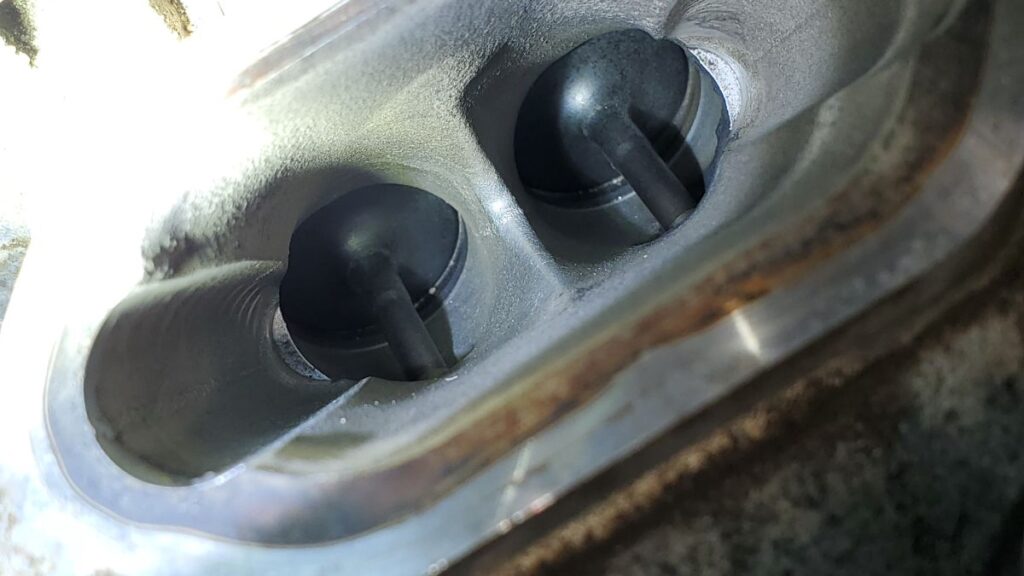
The goal is to restore cleaner airflow through the intake side of the engine. When carbon buildup is the cause of drivability concerns, this cleaning can help the engine feel smoother and more responsive.
Signs Your Vehicle May Need Walnut Blasting
Carbon buildup can create symptoms that feel similar to other engine problems. That is why proper diagnostics matter. Walnut blasting may be helpful for some GDI engines, but it should not be treated as a guess or a one-size-fits-all repair.
Common signs of intake valve carbon buildup include:
- Rough idle, especially when the engine is cold
- Hesitation when accelerating
- Reduced power or sluggish response
- Misfires
- Poor fuel economy
- Check-engine light concerns
- Uneven engine performance
These symptoms can also come from ignition, fuel, sensor, or airflow issues. Before recommending walnut blasting, we want to understand what the vehicle is doing, inspect the system, and confirm the most likely cause.
That approach helps avoid unnecessary work and gives drivers clearer answers.
Walnut Blasting vs. Chemical Intake Cleaning
Not every carbon buildup issue requires the same service. In some cases, a chemical intake cleaning may be considered first. Chemical cleaners can sometimes help with lighter buildup, and they may cost less because they do not always require removing the intake manifold.
However, chemical cleaning may not be enough for hardened deposits on intake valves. Walnut blasting is often used when buildup is heavier or when symptoms suggest that a deeper cleaning is needed.
Chemical intake cleaning may be useful when:
- Deposits appear mild
- Symptoms are limited or just beginning
- The vehicle is receiving preventive maintenance
Walnut blasting may be the better option when:
- Carbon buildup is heavy
- Drivability issues are more noticeable
- Intake valves need direct cleaning
- Previous cleaning methods have not solved the problem
The best choice depends on the vehicle, mileage, engine design, symptoms, and inspection results. A professional evaluation can help determine which route makes the most sense.
What Drivers Should Know Before Scheduling Service
Walnut blasting is not usually part of basic routine maintenance like an oil change or tire rotation. It is a targeted service for specific engine conditions, most often related to GDI intake valve buildup.
Because the intake manifold must often be removed, the service takes more time than a simple cleaner added to the fuel system. That said, the extra labor is part of what allows the technician to access the affected area directly and remove stubborn deposits more thoroughly.
Before scheduling walnut blasting, it is helpful to know:
- The service is most common on certain GDI engines
- Symptoms should be properly diagnosed first
- Heavy buildup may require direct cleaning
- Results can vary based on engine condition
- Preventive maintenance may help reduce future buildup
Good maintenance habits still matter. Regular oil changes, proper oil quality, timely repairs, and addressing engine performance issues early can all support cleaner operation over time.
A Cleaner Intake Can Support a Better Drive
Walnut blasting for GDI engines can be an effective solution when carbon buildup starts affecting performance. By removing hardened deposits from intake valves and ports, this service can help restore airflow, improve drivability, and reduce symptoms such as hesitation, rough idling, and sluggish acceleration.
If your vehicle does not feel as smooth or responsive as it used to, the issue may not be obvious from the driver’s seat. That is where a careful inspection can make the difference.
At Central Avenue Automotive, we help drivers in Kent understand what is happening with their vehicles and what service options make sense. If you are noticing performance changes or wondering if walnut blasting may be right for your GDI engine, give us a call or schedule a visit. We will take a closer look and help you decide the best next step.